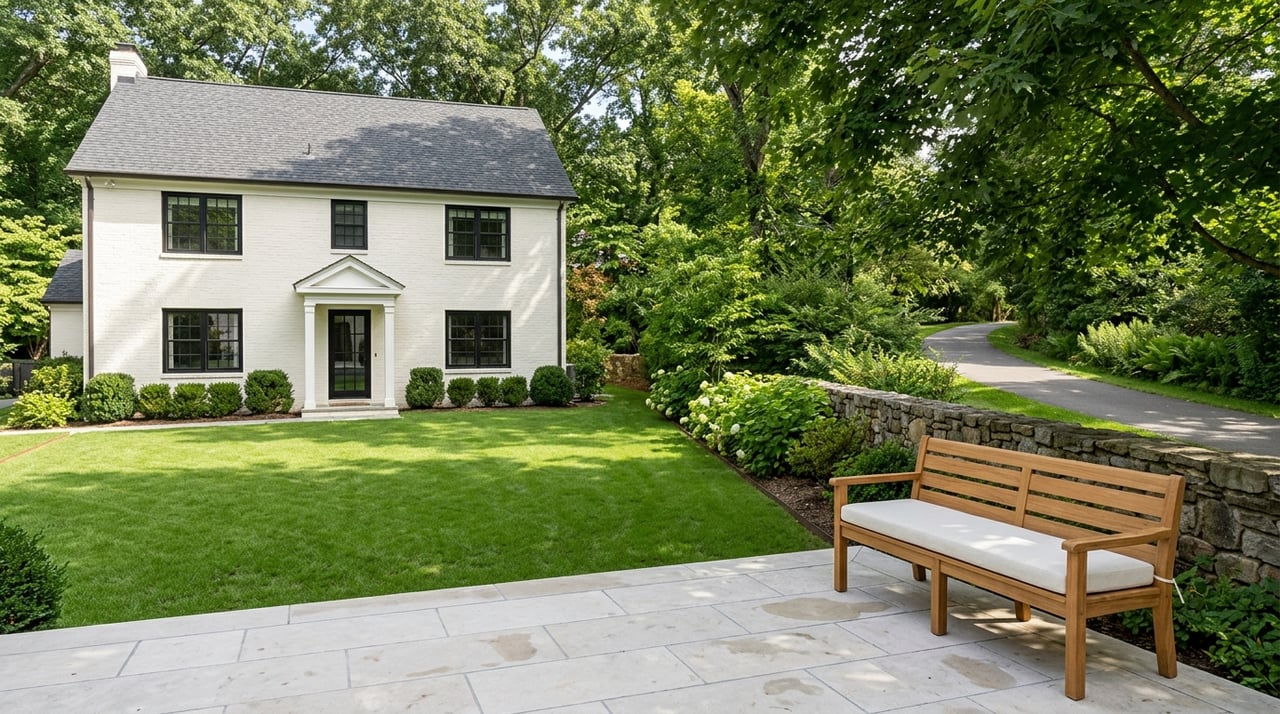
Your Guide to Peachtree Corners Riverfront Homes
June 4, 2026
June 4, 2026
Wondering whether Peachtree Corners can give you both trail access and a true river lifestyle without pushing you too far from everyday convenience? If you are looking for a place where you can spend the morning on a wooded path, enjoy time near the Chattahoochee, and still stay connected to shops, dining, and major roads, this city deserves a closer look. This guide will help you understand how riverfront and trailside living works in Peachtree Corners, what types of homes you will find, and what details matter most before you buy. Let’s dive in.
Peachtree Corners sits in the southwest corner of Gwinnett County and covers about 17 square miles. The city has roughly seven miles of Chattahoochee River border and is about 30 minutes northeast of Atlanta, with access to I-85, I-285, and GA 400. That combination gives you a suburban setting with strong road connectivity and a meaningful outdoor component.
What makes the city especially appealing is the mix of home styles and daily routines it supports. According to the city, local housing includes riverfront homes, swim-tennis communities, townhomes, apartments, and senior living. In practical terms, you can look for a larger detached home near the river, or choose a lower-maintenance option closer to Town Center and major roads.
If you are drawn to the Chattahoochee, Peachtree Corners offers a real river edge, not just a nearby park or water view. The city treats the river corridor as a major planning feature, which helps preserve open space and keeps heavier development away from the river. That creates a different feel from many standard suburban communities.
Riverfront living here often means mature trees, established neighborhoods, and a stronger connection to the landscape. It can also mean more property-specific research during your home search. Floodplain status, insurance needs, and local corridor review requirements can all matter more for river-adjacent homes than they would in an inland subdivision.
Several neighborhoods help define this side of Peachtree Corners:
Some communities are directly on the river, while others are simply close enough to make the outdoors part of your routine. That distinction matters. A home with direct river frontage may offer a more dramatic setting, but it may also require more due diligence before closing.
The city manages both river corridor and floodplain issues actively. Its guidance notes that standard homeowners insurance does not cover flood damage. If you are considering a river-adjacent home, it is smart to verify:
This is one of those markets where a beautiful lot should always be paired with careful document review. The setting can be exceptional, but each property needs its own analysis.
For many buyers, the bigger story in Peachtree Corners is not just the river. It is the way trails, parks, and mixed-use spaces can shape your daily life. The city says residents wanted walking and biking trails, and it has begun construction of an 11.5-mile multi-use trail system designed to connect shops, restaurants, and office parks.
That matters because trails here are intended to do more than provide recreation. They are being built to connect destinations. If you want a routine that includes walking or biking as part of your day, this planning approach is a major plus.
Town Center is a key piece of the trailside lifestyle in Peachtree Corners. The city describes it as a 21-acre downtown with more than 15 restaurants, retail shops, office space, and townhomes overlooking the Town Green. A landmark pedestrian bridge connects Town Center to The Forum and the Corners Connector trail system.
This setup creates a more connected experience than a typical suburban park. You are not just walking a loop and heading home. You can move between green space, dining, shopping, and neighborhood streets in a way that supports a more active daily rhythm.
The city’s Crooked Creek Trail concept places a trail corridor near Crooked Creek between Spalding Drive and Holcomb Bridge Road and Peachtree Parkway. As the broader trail system develops, buyers who value access over lot size may want to pay close attention to where those connections land.
For river access, some of the most important public entry points in or near Peachtree Corners are Jones Bridge Park, Holcomb Bridge Park, and the Medlock Bridge unit in the national park area. Jones Bridge Park includes pavilions, playgrounds, soccer fields, and river overlook and fishing areas. Holcomb Bridge Park adds fishing, a playground, and a short non-paved trail.
The city also highlights fishing, swimming, kayaking, and boating as part of the local river experience. If your ideal weekend includes being outside rather than driving across metro Atlanta for green space, that is a meaningful lifestyle benefit.
Peachtree Corners has a clear pattern in how housing is distributed. Planning documents preserve stable suburban neighborhoods while allowing denser mixed-use and townhome activity near Town Center and the Medlock Bridge corridor. For buyers, that usually translates into larger-lot detached homes near the river and more attached housing near the city center and major roads.
This layout gives you a fairly intuitive search strategy. If you want privacy, yard space, and a more wooded setting, start with river-adjacent or legacy neighborhoods. If you prefer newer finishes, less maintenance, and easier access to dining and commuter routes, focus on townhome communities near Town Center or key corridors.
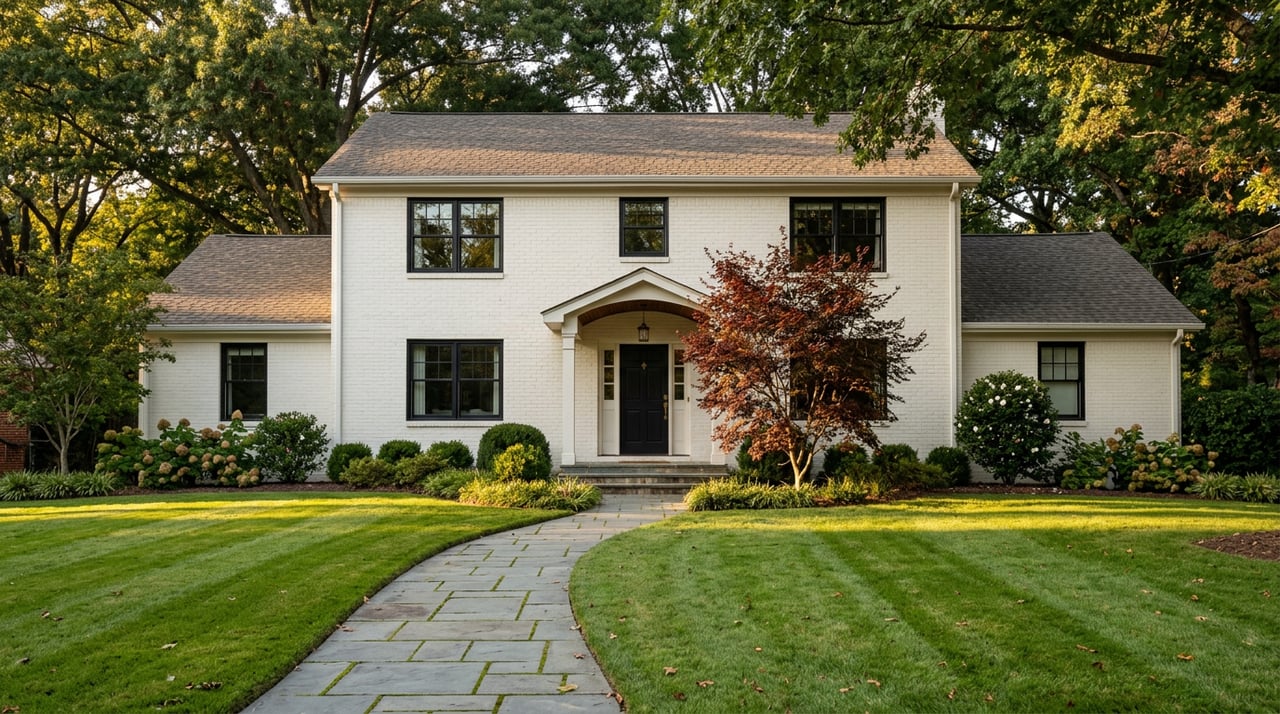
Detached housing in Peachtree Corners often appeals to move-up buyers who want more indoor and outdoor space. Communities like Riverview Estates, Neely Farm, Brookfield Chase, Riverfield, and Gran River each offer a slightly different mix of age, lot size, amenities, and location.
Brookfield Chase, for example, has 125 homes, a pool, two lighted tennis and pickleball courts, and a location next to Town Center. That kind of setup can be attractive if you want a detached home without giving up convenience. Other neighborhoods lean more heavily into wooded terrain, river proximity, or established community amenities.
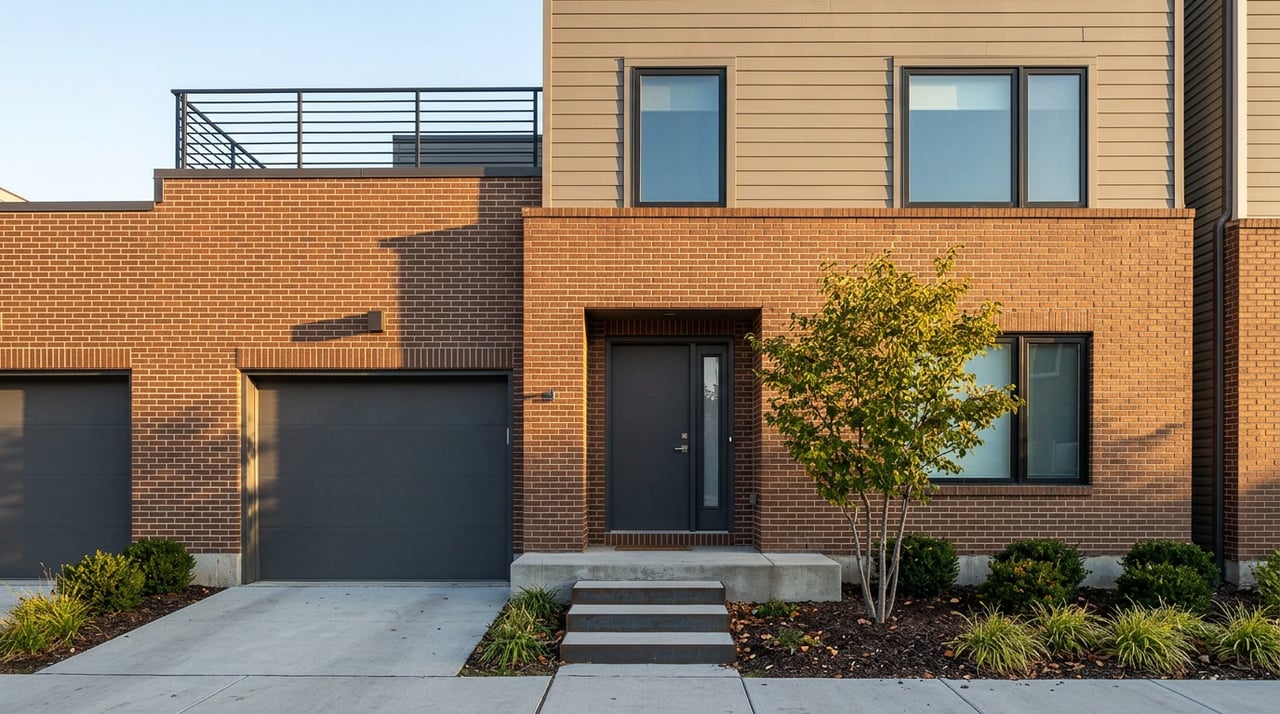
Townhomes are a major part of the local housing mix, especially for buyers who want convenience and lower exterior upkeep. In and around Town Center, options include 5200 at Town Center, a 70-homesite townhome community, and other nearby communities that tie into the mixed-use core.
Stonington offers a gated townhome option off Medlock Bridge Road with easy access to I-85, I-285, and Peachtree Industrial Boulevard. Overlook at Peachtree Corners is another low-maintenance choice, with recent listing data showing three- to four-bedroom, 3.5-bath plans at about $258 per square foot. If you want a lock-and-leave lifestyle with room to spread out, these communities may be worth a closer look.
Peachtree Corners is not a one-price-point market. The latest figures in the research show an average home value of $556,186, a March 2026 median sale price of $623,333, and a recent Redfin median sale price of $642,168 for the three months ending April 2026. Realtor.com also showed a median listing price of about $549,500 with 223 listings.
The spread by property type is wide. Townhome listings range from roughly the low $200,000s for smaller or older units to the mid-$600,000s and above for newer construction. Detached homes can range from about $500,000 to $1.395 million and higher, with river-adjacent properties often carrying a clear premium.
A few examples from the current market help illustrate that spread. Research cited a gated home near the Chattahoochee and Jones Bridge Park listed at $965,000 and a riverfront new-construction opportunity in Riverview Estates at $1.6 million. In other words, your budget may open very different doors depending on whether your top priority is river frontage, newer construction, detached space, or low-maintenance living.
Peachtree Corners works especially well for buyers who want suburban convenience with access to outdoor amenities. Census data show an average commute time of 25.9 minutes, with 60.3% of workers driving alone and 25.3% working from home. The average household has about two cars, which reinforces that this is primarily a car-oriented market.
That does not make the trail system less valuable. It just means the trails often support lifestyle and local connection more than full transit-style commuting. If you want quick road access, neighborhood amenities, and a more active everyday routine, Peachtree Corners can be a strong fit.
The main tradeoffs are fairly clear:
For many relocating professionals and move-up buyers, those tradeoffs feel manageable because the city combines strong road access with parks, trails, and established neighborhoods.
The best home in Peachtree Corners depends on how you want to live day to day. If you picture wooded views, larger lots, and a stronger connection to the Chattahoochee, river-adjacent neighborhoods may be the right place to focus. If you care more about low-maintenance living and being close to dining, events, and trail connections, Town Center area options may make more sense.
As you narrow your search, think about these questions:
A thoughtful local search can save you time and help you avoid chasing homes that look right online but do not match your actual routine. In a market with this much variety, neighborhood-level guidance matters.
If you are exploring Peachtree Corners, the goal is not just finding a house. It is finding the version of the city that fits your pace, priorities, and comfort level with maintenance, commute, and outdoor access. For a personalized home valuation or buyer consultation, connect with Ellen Cook.
Stay up to date on the latest real estate trends.

Ellen Thomas blends analytical insight with refined service to deliver a seamless real estate experience. Known for her thoughtful guidance and strong client advocacy, she helps buyers and sellers navigate every move with confidence and clarity.