Virginia-Highland Bungalows Versus Newer Homes
June 25, 2026
June 25, 2026
If you are home shopping in Virginia-Highland, one question tends to come up fast: do you want the charm of a classic bungalow or the easier upkeep of a newer home? It is a real trade-off, especially in a neighborhood where architecture, lot patterns, and outdoor space shape the living experience. This guide will help you compare how older bungalows and newer homes differ in style, maintenance, outdoor space, and value so you can decide what fits your life best. Let’s dive in.
In Virginia-Highland, you are not just comparing square footage or finish level. You are often choosing between early 20th-century character and a more turnkey ownership experience. That difference matters more here because the neighborhood developed mostly between 1905 and 1936 and still has a highly intact historic feel.
The area is known for Craftsman, English Vernacular Revival, and Colonial Revival architecture. Bungalows, English cottages, and American Foursquares help define the neighborhood’s look. Mature hardwoods, private yards, and parks like Orme Park add to the appeal and make the setting feel distinct from many newer in-town options.
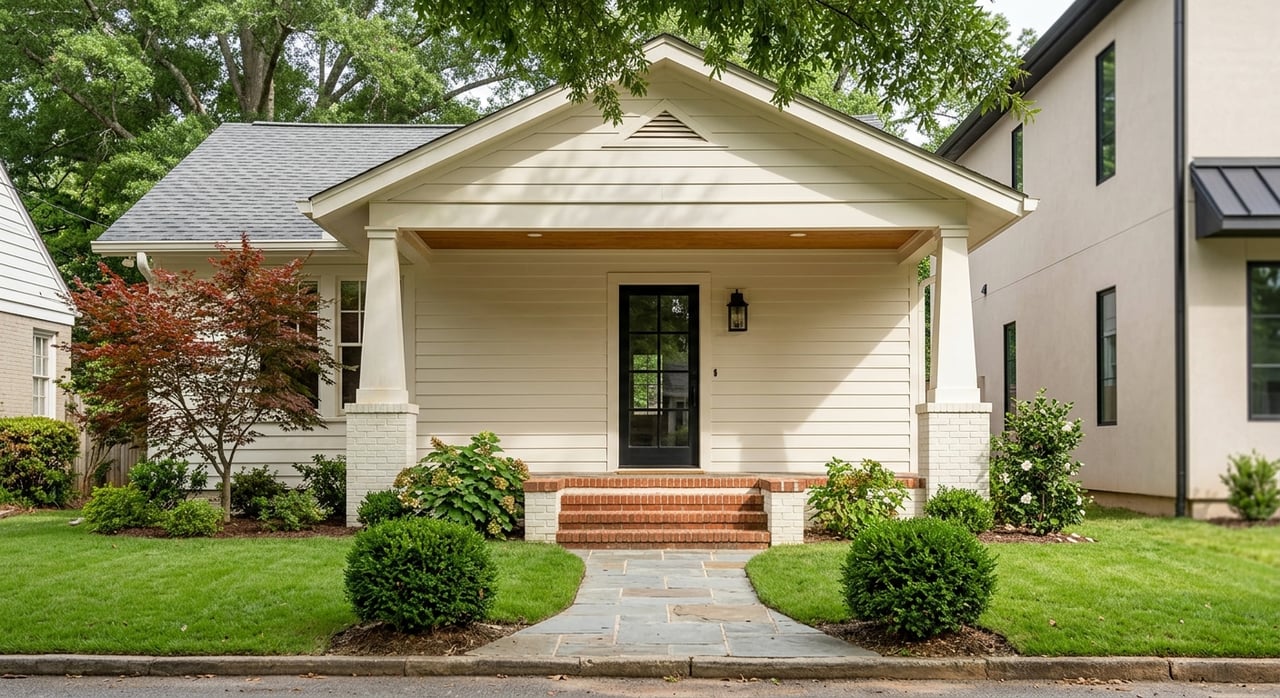
Classic Virginia-Highland bungalows are usually low-scale and often one story. Many feature front porches, wide eaves, exposed rafters, and brick piers. These details give the homes the familiar character many buyers picture when they think of Virginia-Highland.
Some homes also include features like shed dormers, tile roofs, and porte cocheres. Inside, you may find original hardwood floors, sunrooms, attic access, and other elements that reflect the home’s age and design. In practical terms, these homes often feel more individual and less standardized than newer construction.
Newer homes in Virginia-Highland are often townhomes or selective infill construction rather than large-scale new subdivisions. A recent townhome example in the neighborhood included three stories, 2,400 square feet, two garage spaces, a deck, a balcony, double-pane windows, and smart-home style features. That is a very different ownership experience from a one-story bungalow with a yard.
For many buyers, the biggest draw is convenience. Newer homes often offer more modern layouts, garage parking, and less day-to-day exterior work. In some cases, an HOA covers structure and grounds maintenance, which can make ownership feel more streamlined.
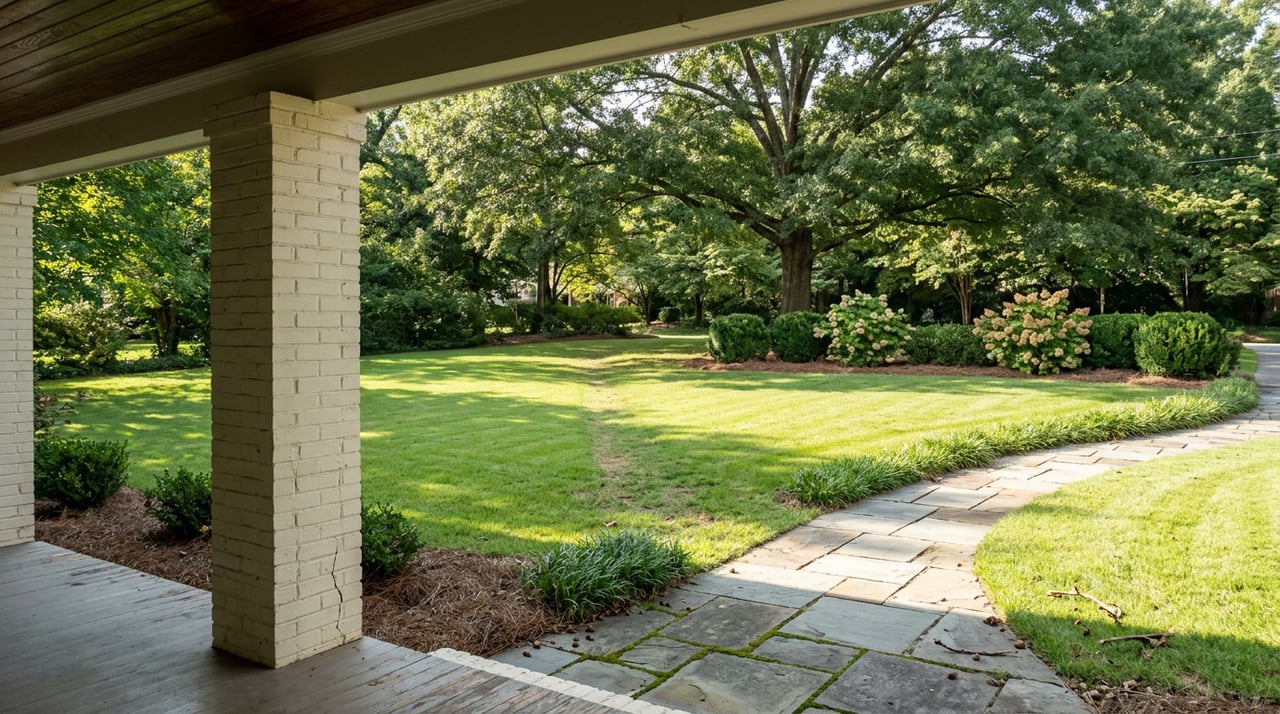
One of the clearest differences between bungalows and newer homes in Virginia-Highland is how the outdoor space feels. With a bungalow, the appeal is often not a huge lot, but a more private and established setting. Tree-lined streets, mature landscaping, front porches, sunrooms, and fenced backyards all play into that classic neighborhood lifestyle.
A current bungalow example on Rosedale Drive sits on a 5,488-square-foot lot and includes a front porch, fenced backyard, and off-street parking. By comparison, a newer townhome example sits on an 871-square-foot lot. If you want more private yard presence, the bungalow side of the market often delivers more of it.
That said, many buyers in Virginia-Highland accept less outdoor space because of the neighborhood’s location and lifestyle. The area is described as Very Walkable and Very Bikeable, with nearby access to Piedmont Park and the BeltLine. For some buyers, that makes a deck or balcony feel like enough.
This may be the biggest practical difference of all. Older homes in Virginia-Highland often retain historic materials and architectural details, which can mean more owner-directed upkeep over time. Even well-maintained homes usually need periodic modernization.
The Rosedale bungalow example shows that clearly. It kept its older-home character while also receiving a 2023 HVAC replacement and updated electrical and plumbing. That is often how bungalow ownership works here: you get charm and individuality, but you should expect occasional renovation or maintenance decisions.
Newer townhomes and infill homes usually appeal to buyers who want lower exterior maintenance. If the HOA covers structure and grounds, that can reduce how much you handle yourself. The trade-off is that you may have shared walls, less private outdoor space, and an ongoing HOA expense.
When you compare these home types, monthly or annual carrying costs matter. In the townhome example, the annual HOA was $4,140 and included structure and grounds maintenance. That fee may feel worth it if you value a more turnkey lifestyle.
A bungalow may not have that same recurring HOA expense. But you may instead spend money over time on repairs, updates, and landscape care that you manage directly. Neither model is automatically better. It depends on whether you prefer convenience and predictable shared costs or more control over your home and property.
Part of what makes this comparison unique in Virginia-Highland is that new construction is not happening in a vacuum. Local planning documents call for new homes to stay compatible with surrounding lot patterns, setbacks, and design. The master plan also says home size and scale should be commensurate with lot size so each lot preserves open space, permeable surfaces, and tree cover.
That means newer homes in the neighborhood are shaped by preservation pressure and local expectations. The plan also notes that some older homes have been torn down for new and larger residential construction, but infill tends to be selective rather than widespread. In NPU F, citizen advisory councils also weigh in on zoning and land-use issues, which adds another layer to how change happens here.
If you are hoping to compare many older and newer options side by side, inventory may be part of the challenge. Recent neighborhood data showed 24 vintage homes for sale, while only 2 townhouses were listed in the most recent month of sales data. That suggests newer-style homes make up a relatively small slice of the Virginia-Highland market.
In other words, your final choice may depend as much on timing as preference. If a well-located bungalow and a newer townhome are both available at the same time, you get a true comparison. In many cases, though, buyers need to stay flexible because the inventory mix can be limited.
Virginia-Highland pricing can look confusing at first because different data sources measure different things. One public snapshot for May 2026 reported a median listing price of $439,000, a median sold price of $1,108,250, and $401 per square foot, while another reported a median sale price of $722,257 and $428 per square foot over the last three months. Zillow’s home value index placed the average home value at $973,941 as of May 31, 2026.
Those numbers are not necessarily contradictory. They reflect listing prices, closed sales, and modeled values. The main takeaway is that you need to compare the right metric for the right question.
The recent home examples are even more useful. The 1920 bungalow sold for $840,000 at about $443 per square foot, while the 2015 townhome sold for $772,500 at about $322 per square foot. The bungalow had no HOA listed, while the townhome had the annual HOA noted above.
That does not mean bungalows always cost more per square foot or townhomes always offer better value. It does show that buyers in Virginia-Highland are paying for different things. A bungalow may command value through character, lot presence, and historic appeal, while a newer home may win on size, garage parking, and lower-maintenance living.
If you love front porches, original details, mature trees, and a more established lot feel, a bungalow may be the better fit. You may also enjoy having more direct control over your property and updates. That choice often works well for buyers who see a home as both a place to live and a long-term lifestyle decision.
If you prefer newer finishes, garage parking, and less exterior upkeep, a newer home may fit your routine better. You may be more comfortable with shared walls and an HOA if that means fewer maintenance tasks and a more lock-and-leave setup. This can be especially appealing if your schedule is busy or you want a simpler ownership experience.
For many buyers, the answer comes down to daily living. Think about how much outdoor space you really want, how comfortable you are with upkeep, and whether character or convenience matters more to you. In Virginia-Highland, both choices can work beautifully, but they serve different priorities.
If you are weighing a bungalow against a newer home in Virginia-Highland, the best next step is to compare real options through the lens of your budget, maintenance comfort, and day-to-day lifestyle. For neighborhood-specific guidance and a clear plan, reach out to Ellen Cook.
Stay up to date on the latest real estate trends.

Ellen Thomas blends analytical insight with refined service to deliver a seamless real estate experience. Known for her thoughtful guidance and strong client advocacy, she helps buyers and sellers navigate every move with confidence and clarity.