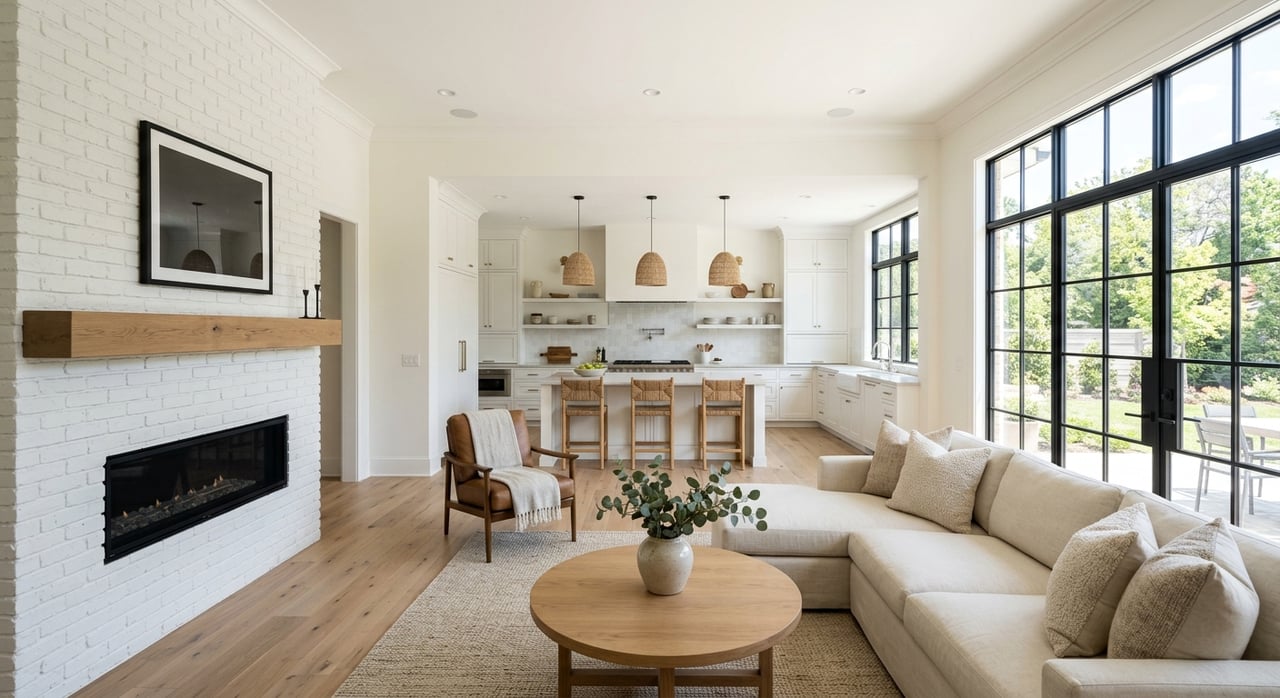
Selling A Home In Atlanta’s Upper Westside
July 2, 2026
July 2, 2026
Wondering how to sell your home in Atlanta’s Upper Westside without leaving money on the table? You are not alone. This pocket of Atlanta has a distinct identity, and buyers here often respond to lifestyle, design, and location details that do not show up the same way in other parts of the city. If you are preparing to sell, understanding how pricing, presentation, and timing work in this micro-market can help you make smarter decisions from day one. Let’s dive in.
Atlanta’s Upper Westside is not a one-note market. The area has a strong industrial legacy, a growing mixed-use footprint, and access to major lifestyle amenities that shape buyer expectations. That means a generic listing strategy can miss what makes a property stand out.
Upper Westside also benefits from a very specific neighborhood story. The district was created in 2016 to improve transportation, connectivity, safety, and the overall experience of the area. It is also known for its industrial building stock, which helps explain why certain homes show better with an industrial-chic feel instead of a typical suburban presentation.
For sellers, that matters because buyers are not always comparing your home to every home in Atlanta. They are often comparing it to nearby options with different design eras, floor plans, and amenity access. A renovated ranch, a loft-style residence, and a newer townhome may all attract different buyers, even within the same ZIP code.
One of the biggest mistakes sellers make is leaning too heavily on broad Atlanta averages. In a market like the Upper Westside, pricing needs to reflect the property type, condition, and location within the area. Hyperlocal comps matter more here than citywide headlines.
As of May 2026, Realtor.com reported that ZIP code 30318, which covers much of the Upper Westside and nearby westside areas, had a median listing price of $399,900 and a median sold price of $445,230. Median days on market were 49, with 620 active listings, and homes sold for an average of 2.41% below asking. Realtor.com also labeled 30318 a buyer’s market at that time.
That does not mean every seller should price aggressively low. It does mean buyers may have options, so your home needs a pricing strategy that feels credible and competitive from the start. The first few weeks on the market tend to carry the most momentum, and overpricing can increase the risk of sitting longer or needing a price cut later.
Even within 30318, pricing can differ a lot by nearby neighborhood. Realtor.com reported median listing prices of about $499,450 in Blandtown, $385,000 in Underwood Hills, $569,000 in West Highlands, and $499,500 in Knight Park–Howell Station. That spread is a clear reminder that broad averages only tell part of the story.
Recent listings show the same pattern. A newer Upper Westside townhome near Westside Village was listed around $500,000, while another nearby home was listed at $749,000. Buyers may pay a premium for newer construction, modern layouts, and strong proximity to lifestyle destinations, but those premiums are not automatic.
In this part of Atlanta, list price is often shaped by a few key factors:
Buyers are not just buying square footage here. They are often buying convenience, energy, and access to places they can enjoy every week. That lifestyle story should be part of your marketing from the beginning.
The Works is one of the most recognizable destinations in the area. It is positioned as a walk, bike, drive, or rideshare destination with a 31-vendor food hall spanning 25,000 square feet, along with retail, dining, services, and live-on-site options. The project was also among the first to receive Atlanta’s I-MIX zoning, allowing industrial, residential, and commercial uses to coexist while preserving much of the warehouse character.
Westside Village at Moores Mill is another nearby mixed-use hub with residential, retail, restaurant, and office uses. For many buyers, being near destinations like these adds convenience and a sense of place. If your home benefits from that access, it should be reflected in the listing story and photo plan.
Amenity access extends beyond shopping and dining. The Atlanta BeltLine says the Westside Trail is convenient to MARTA, runs through historic neighborhoods, and connects to green space and retail destinations including Westside Park and The Works. In June 2025, the BeltLine announced that the Westside Trail reached 6.7 continuous miles from University Avenue to Huff Road.
The City of Atlanta opened Westside Park in 2021 as a 280-acre greenspace, and in 2025 City Council renamed it Shirley Clarke Franklin Park. Nearby access to major green space and trails can be a meaningful part of a home’s appeal, especially for buyers who value outdoor time and connectivity.
A smooth launch usually starts well before the sign goes up. Realtor.com’s 2026 timing report found that 53% of sellers took one month or less to get ready to list. For many Upper Westside sellers, a month is a useful minimum, but homes that need repairs, painting, landscaping, or staging may need longer.
Working backward from your ideal list date can help you stay in control. If you hope to hit the market during a strong seasonal window, it is smart to begin planning early so you are not rushing important decisions. Small delays during prep can ripple into weaker launch timing.
Realtor.com’s June 2026 seller guidance notes that the first four weeks after launch are the make-or-break period for sale price and price-cut risk. That is one reason polished preparation matters so much. You want your home to feel market-ready from the first day buyers see it online.
A smart prep plan may include:
Upper Westside homes often benefit from a more tailored marketing approach. Instead of using the same playbook for every property, it helps to lean into the style and strengths of the home you are actually selling.
If your home has industrial-chic appeal, buyers will usually respond to authenticity. Exposed brick, steel details, high ceilings, large windows, and open layouts are often best shown with a lighter hand. Clean styling and reduced clutter can help buyers notice scale, texture, and architectural character.
For older homes, the story may be less about trend and more about livability. Natural light, solid upkeep, functional flow, and a well-maintained condition often matter most. If you have completed meaningful updates over time, those should be organized and clearly communicated.
For newer homes near places like The Works or Westside Village, convenience is often a major selling point. Buyers may be looking for lower-maintenance living, modern finishes, outdoor space, and easy access to dining, retail, and trails. Photos and marketing language should support that lifestyle clearly.
Most buyers begin their search online, so your listing needs to compete on screen before it ever competes in person. According to the National Association of Realtors, 52% of buyers found the home they purchased online, and nearly half started their search there. The same source found that 81% of buyers rated listing photos as the most useful feature during their online search.
That makes professional photography one of the most important investments in your launch. The first image needs to grab attention, and the full photo set needs to guide buyers through the home in a clean, logical, flattering way. In a market with newer construction and polished mixed-use surroundings, weak visuals can cost you showings.
Staging can help too. NAR’s 2025 staging report found that 83% of buyers’ agents felt staging made it easier for buyers to visualize a property as a future home. You do not always need full-scale staging, but thoughtful styling can make a meaningful difference.
There is no single perfect week for every seller, but timing still matters. Realtor.com’s 2026 timing report identified April 12 through 18 as the best time to sell nationally based on seasonal trends and market conditions. While local strategy should always come first, that guidance reinforces the value of planning ahead for spring if your timeline allows.
If spring is not realistic for you, do not assume you have missed your chance. Well-priced, well-presented homes can still perform in other seasons. The bigger priority is launching when your home is fully ready instead of rushing to market half-prepared.
Selling a home in Georgia comes with a few state-specific realities that are worth understanding early. Georgia is generally treated as a caveat emptor state, which means buyers are expected to investigate carefully. Sellers should still disclose known material issues, answer questions honestly, and avoid hiding defects.
This is especially important if you own an older Upper Westside home. Deferred maintenance, aging systems, or past renovations may come up during buyer due diligence. A clear and honest approach can help reduce friction once you are under contract.
Georgia also requires attorney-supervised real estate closings. The State Bar of Georgia says closing a real estate transaction is the practice of law and must be handled by a licensed Georgia attorney. Consumer guidance from the state notes that existing-home closings typically take about 30 to 90 days from contract to closing, so it helps to think ahead about timing once your home is listed.
In the Upper Westside, strong results usually come from connecting the dots between pricing, prep, and story. You want your home priced against the right nearby competition, presented in a way that fits its style, and marketed around the lifestyle buyers are actually shopping for.
That is especially true in a buyer-leaning environment where homes are selling below asking on average. A polished launch, strong photography, and realistic pricing can help you protect value and attract serious interest early. When buyers have options, thoughtful execution matters.
If you are thinking about selling in the Upper Westside, a personalized strategy can help you decide what to fix, what to leave alone, how to price, and how to tell your home’s story well. For white-glove guidance, staging coordination, and neighborhood-specific marketing, connect with Ellen Cook.
Stay up to date on the latest real estate trends.


Ellen Thomas blends analytical insight with refined service to deliver a seamless real estate experience. Known for her thoughtful guidance and strong client advocacy, she helps buyers and sellers navigate every move with confidence and clarity.