A First-Time Homebuyer’s Guide to Atlanta’s Upper Westside
May 21, 2026
May 21, 2026
Wondering whether Atlanta’s Upper Westside makes sense for your first home? You are not alone. Many first-time buyers are drawn to the area’s close-in location, newer development, and growing trail and park access, but they also want to know what daily life and pricing really look like before they commit. This guide will help you weigh the pros, tradeoffs, and market signals so you can decide if the Upper Westside fits your goals. Let’s dive in.
One of the first things to know is that the Upper Westside is not just one neighborhood. It is better understood as a district, with core neighborhoods identified by the Upper Westside CID as Berkeley Park, Blandtown, Channing Valley, Howell Station, Marietta Street Artery, and Underwood Hills.
That matters because your experience can vary a lot from block to block. Some parts feel more historic and residential, while others reflect the district’s industrial roots, adaptive reuse, and mixed-use growth. If you are buying your first home, that variety can be a real advantage because it gives you more options to match your budget and lifestyle.
The Upper Westside stands out because it offers an intown location with an evolving identity. Since 2016, the district has seen major reinvestment in sidewalks, trails, public spaces, and placemaking projects, according to the Upper Westside CID.
For you, that can mean buying into an area that is still improving rather than one that already feels fully built out. Some buyers love that energy and momentum. Others prefer a more settled environment, so it is worth being honest about which setting feels right for your day-to-day life.
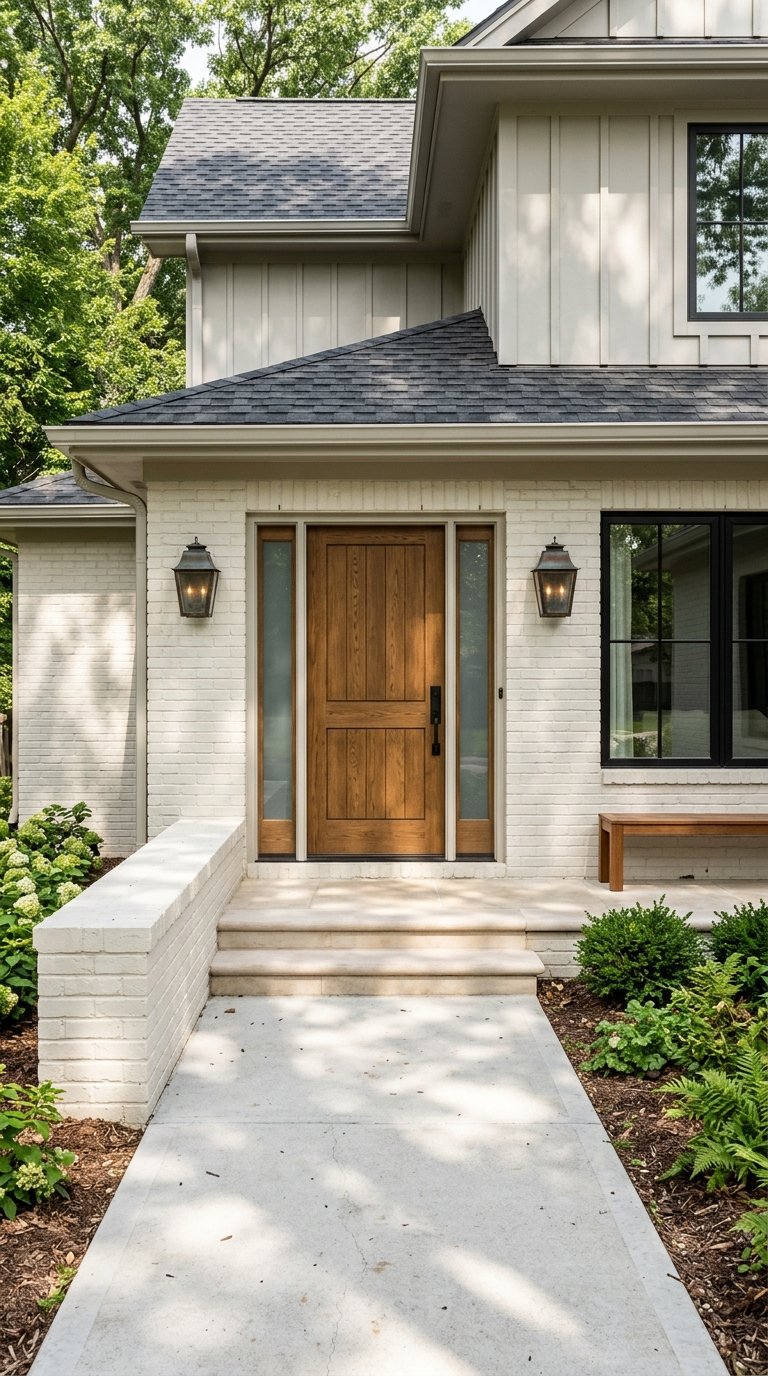
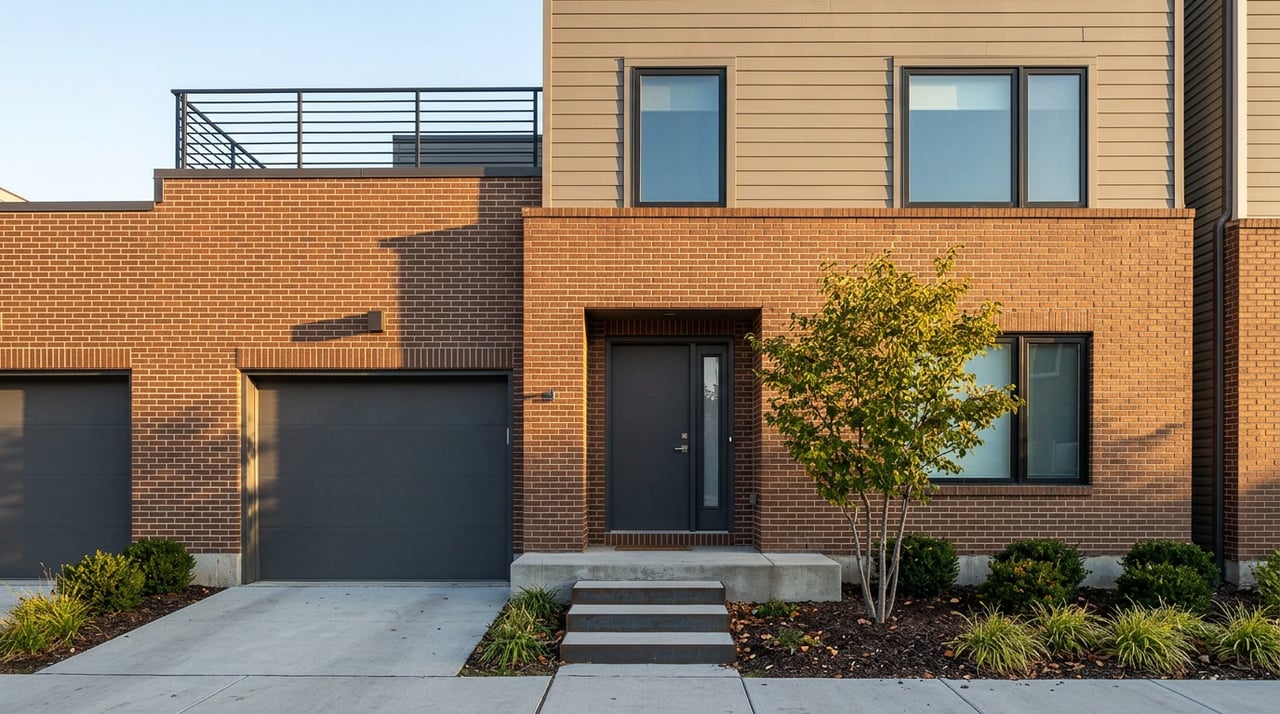
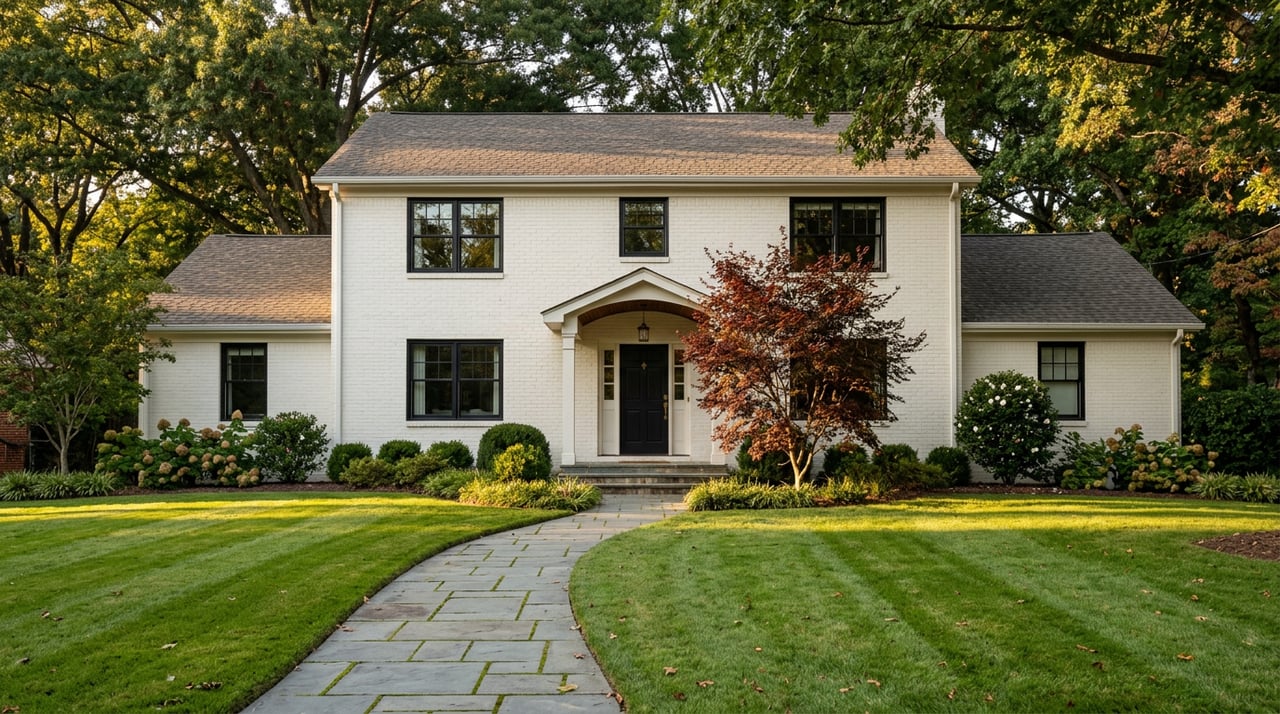
If you are hoping for one clear housing type, the Upper Westside may surprise you. The district includes a mix of older homes, newer infill construction, condo-style options, and townhome communities.
In Blandtown, the CID points to newer apartments, condos, and single-family homes as part of the area’s resurgence. In Howell Station, the story is different, with roots dating back to 1893 and a housing stock known for preserved historic character and bungalows.
You will also find loft-style spaces and adaptive-reuse buildings tied to the area’s warehouse history, especially around places like Brickworks. Newer mixed-use projects along Brady Avenue and at The Works add another layer, blending residential options with retail, office, dining, and entertainment nearby.
For a first-time buyer, this variety can be helpful. You may be able to compare a renovated older house, a newer townhome, and a condo-style home without leaving the broader district.
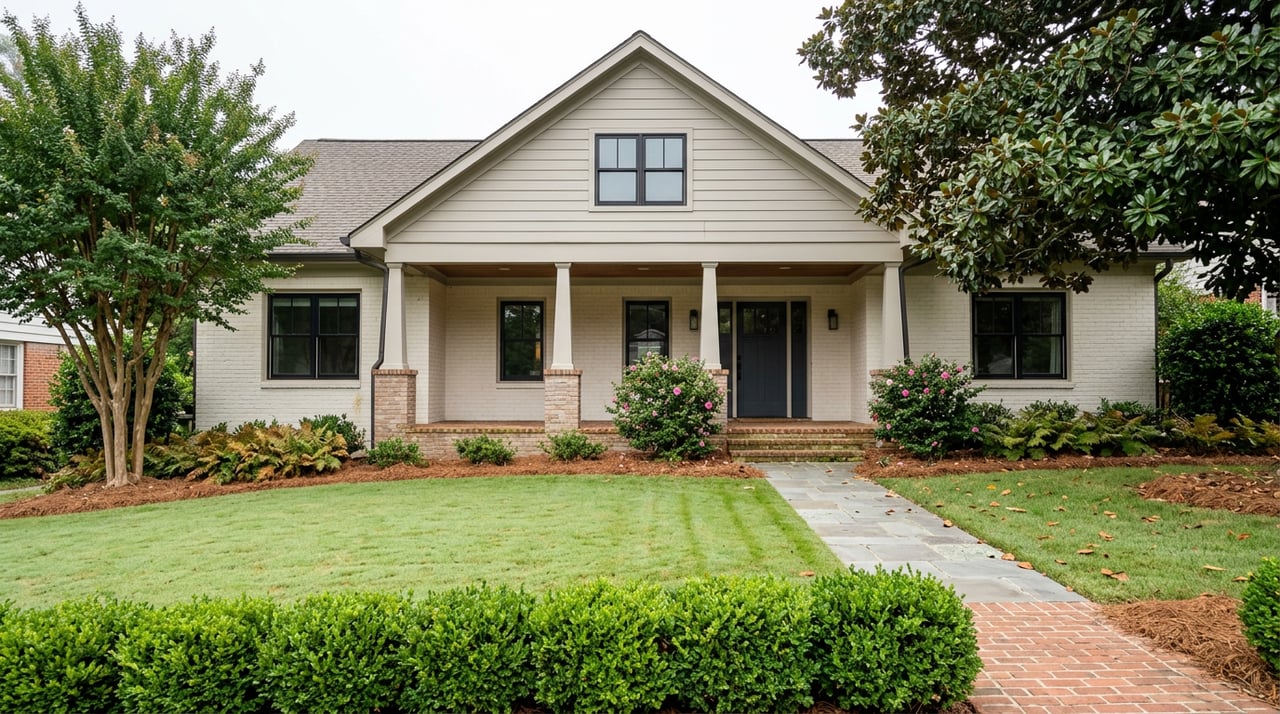
That kind of flexibility is useful if you are still figuring out your priorities. If you care most about lower maintenance, a newer attached home may appeal to you. If you want more character, an older bungalow might be the better fit. The key is knowing that the Upper Westside is not a one-look, one-price market.
Pricing in the broader Westside market suggests conditions that may feel more manageable for first-time buyers than some other intown areas. Realtor.com reports a median listing price of $326,500, a median price per square foot of $258, a median of 105 days on market, and a 95% sale-to-list ratio.
Redfin’s March 2026 snapshot shows a median sale price of $310,220 and describes the area as not very competitive. It also notes that homes are selling about 6% below list price and going pending in around 80 days.
These numbers are for the broader Westside rather than only the Upper Westside, so they are best treated as directional. Still, they suggest a market where buyers may have a bit more room to think, compare, and negotiate than in a highly competitive environment.
Recent sold examples in the wider Westside area help show the price range. Redfin examples included a 3-bedroom, 2.5-bath home at $316,000 and another 3-bedroom, 2.5-bath home at $348,990. A 5-bedroom, 3-bath home sold at $300,000, while one separate outlier closed at $900,000.
The takeaway is simple: entry-level opportunities do exist, but pricing can move quickly depending on size, condition, and how updated the home is. If you are shopping in the low-to-mid $300,000s, you may find options, but you will still want a clear sense of your must-haves versus your nice-to-haves.
For many first-time buyers, commute and access are a big part of the decision. This is one of the Upper Westside’s strongest selling points.
The Upper Westside CID identifies 10th Street as a direct connection to Georgia Tech and Midtown. The CID and the City of Atlanta have also announced a multimodal path project connecting Westside Park with Georgia Tech, which reflects the district’s broader focus on better connections for getting around.
The trail network adds to the appeal. According to PATH Foundation, the Westside BeltLine Connector starts at Centennial Olympic Park and becomes a rails-to-trails greenway at Northside Drive. The Spur Trail links Westside Paper, Puritan Mill, and King Plow Arts Center and is designed to connect into the larger trail system.
Lifestyle is a big part of why buyers look here in the first place. Westside Park is a major draw, with 280 acres that make it Atlanta’s largest city park.
The district also includes the Waterworks/Hill greenspace, which the CID highlights for open space and skyline views. If you want a neighborhood feel that includes outdoor recreation without giving up intown access, that combination can be appealing.
Then there is The Works, which has become a key activity hub in the district. Its official site describes a 31-vendor food hall spanning 25,000 square feet, along with shops, restaurants, entertainment, dog-friendly amenities, and bike access via the Woodall Rail Trail. For buyers who value convenience and things to do close to home, that matters.
The Upper Westside is not for everyone, and that is okay. One of the biggest practical downsides is that the district is still actively changing.
The CID has ongoing sidewalk, restriping, and pedestrian-safety projects along corridors such as Howell Mill and 17th Street. There are also multimodal studies and corridor improvements underway, which means some blocks may feel less settled and may involve construction or shifting traffic patterns.
This does not automatically make the area a poor choice. It simply means you should expect an urban district that is still maturing. If you want a quiet, fully built-out single-family setting with very little visible change, the Upper Westside may not check that box.
The area may be a strong match if you want:
For many first-time buyers, that mix feels exciting and practical. You may get a location and lifestyle that would be harder to reach in more expensive intown pockets.
You may want to look elsewhere if your top priorities are:
The Upper Westside’s industrial legacy and redevelopment pattern are a core part of its identity. For some buyers, that is the appeal. For others, it is a sign to keep searching.
If you are seriously considering the Upper Westside, focus on how you want to live, not just on the listing photos. Think about your commute, how often you will use trails and parks, whether you want older character or newer finishes, and how comfortable you are with an area that is still changing.
It also helps to compare multiple micro-areas within the district. Because the Upper Westside includes several neighborhoods with different housing types and street feels, touring only one pocket may give you an incomplete picture.
A first home is not about finding a perfect area. It is about finding the right balance of budget, lifestyle, and long-term comfort for where you are now.
So, is Atlanta’s Upper Westside right for your first home? It can be, especially if you want an intown location, flexible housing options, access to major job and activity centers, and a market that may offer more negotiating room than some nearby areas.
At the same time, you should go in with clear eyes. This is a district with active reinvestment, mixed housing stock, and an urban character that is still taking shape. If that sounds energizing rather than stressful, the Upper Westside may deserve a close look.
If you want help comparing Upper Westside options with other intown Atlanta neighborhoods, Ellen Cook can help you narrow the search and move forward with confidence.
Stay up to date on the latest real estate trends.

Ellen Thomas blends analytical insight with refined service to deliver a seamless real estate experience. Known for her thoughtful guidance and strong client advocacy, she helps buyers and sellers navigate every move with confidence and clarity.