April 2, 2026
April 2, 2026
Trying to choose between a shiny new build and a home with a little more history in Chamblee? You are not alone. This is one of the most common questions buyers ask in a city that blends transit-oriented redevelopment with established residential areas. If you are weighing convenience, maintenance, lifestyle, and long-term fit, this guide will help you compare your options in a practical way. Let’s dive in.
Chamblee is a relatively compact city in northern DeKalb County, with an estimated population of 32,321 as of July 2024 across just 7.69 square miles, according to the U.S. Census Bureau. That smaller footprint helps explain why the city can feel both historic and fast-changing at the same time.
Local planning documents describe Chamblee as a historic railroad town with a MARTA station, bus access, and a downtown strategy centered on walkability, mixed-use development, and redevelopment near the rail corridor. At the same time, the city’s housing stock is older than DeKalb County overall, with many homes built from 1950 to 1980, according to Chamblee’s 2024 comprehensive plan materials.
That mix is what makes this decision so specific to Chamblee. You are not choosing in a market that is mostly all-new or mostly historic. You are choosing in a city where established neighborhoods and newer infill communities coexist.
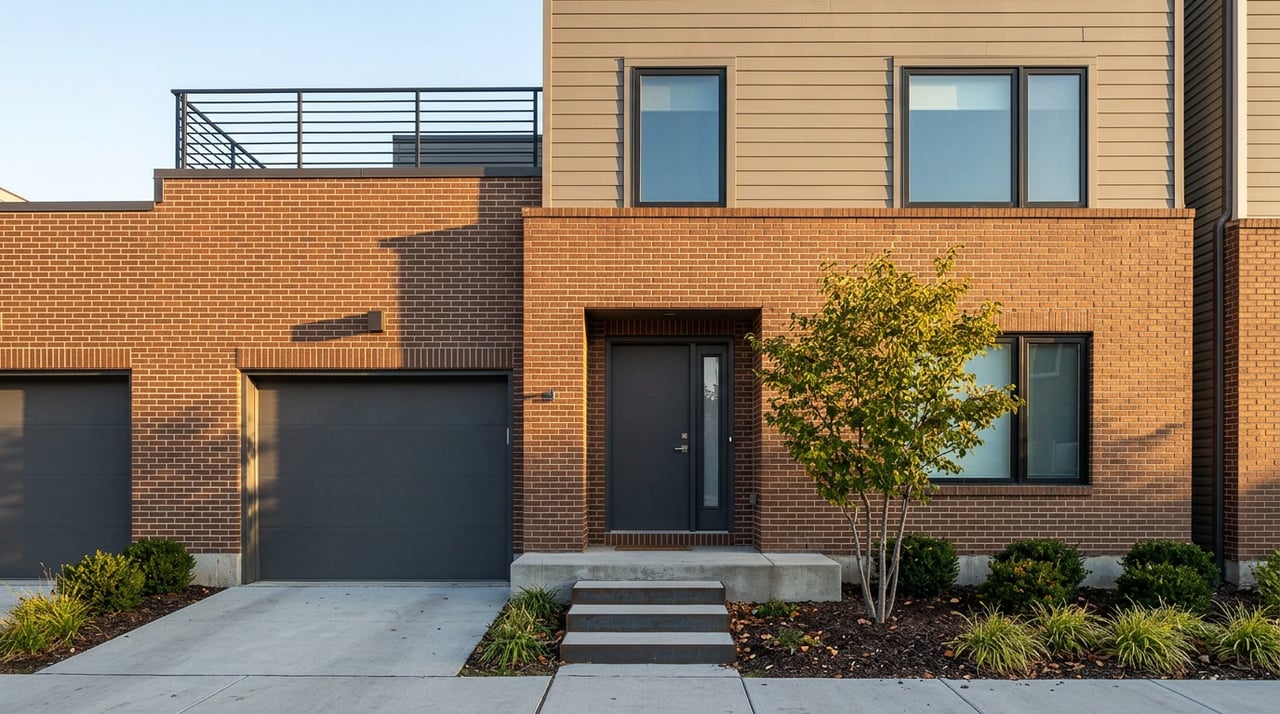
If your goal is simpler upkeep and a more modern layout, newer construction may check a lot of boxes. In Chamblee, newer homes are often tied to redevelopment near the town center and MARTA, where the city has planned for walkable, mixed-use growth.
The city’s Town Center pattern book emphasizes new streets, streetscape upgrades, shared parking, reduced parking ratios, and contemporary design that still fits Chamblee’s historic character. In practical terms, that often means newer homes compete as much on location and convenience as they do on finishes and floor plans.
One of the biggest draws of newer homes is the chance to avoid immediate repair projects. Chamblee’s Sustainability Plan notes that the city is seeing a large volume of new construction and substantially renovated properties, and that these can be higher quality, more energy efficient, and more durable when code and verification are strong.
That does not guarantee every new home will be problem-free. It does mean many buyers are drawn to newer homes because they may offer more predictable operating costs and fewer early maintenance surprises.
If you want to be closer to downtown Chamblee or the MARTA station, newer construction may line up better with your lifestyle goals. An ARC city snapshot describes the core-city submarket as having a mix of newer and older higher-priced homes, higher rents, the highest share of multifamily housing, and the shortest commute times.
That can be appealing if you value location efficiency. For some buyers, being closer to transit, mixed-use areas, and daily conveniences is worth paying more for a newer home or condo.
Newer communities often appeal to buyers who want open-concept living, updated systems, and lower exterior maintenance. In some cases, they also include shared amenities or services handled through an HOA or condo association.
That convenience comes with a cost. The Consumer Financial Protection Bureau notes that HOA dues are usually paid separately from your mortgage and can range from a few hundred dollars to more than $1,000 per month, depending on the community and what is covered.
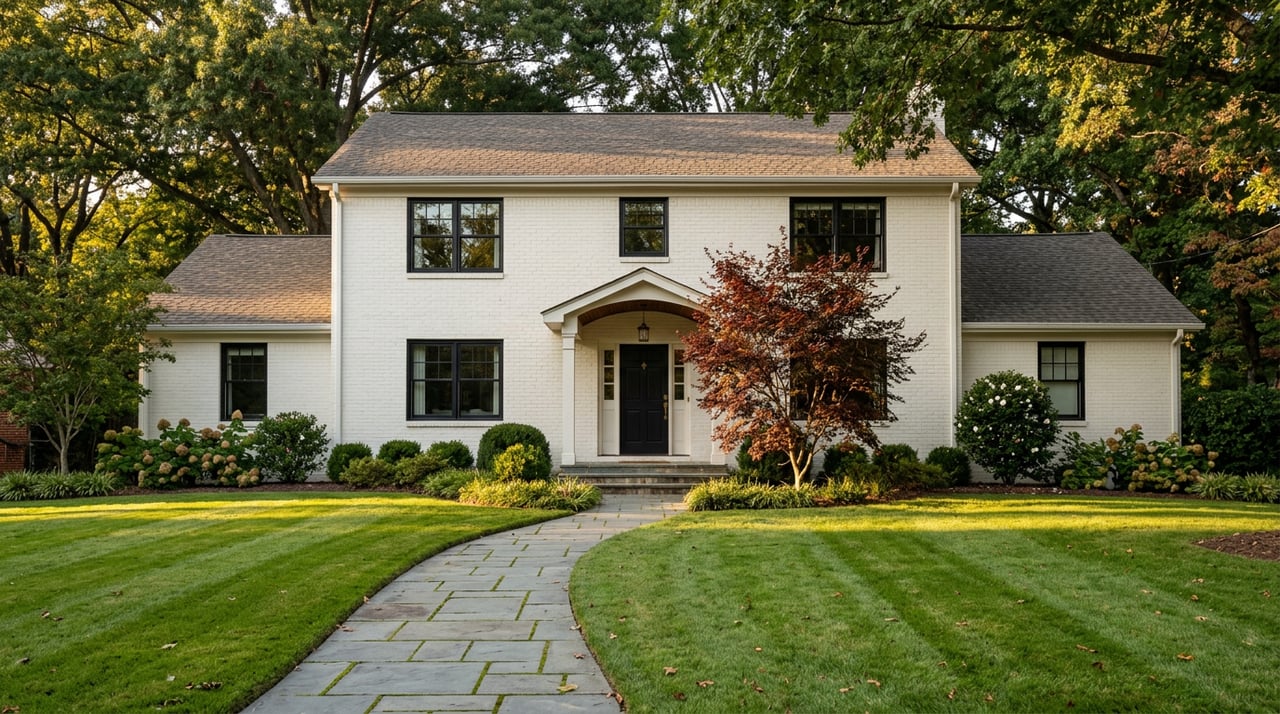
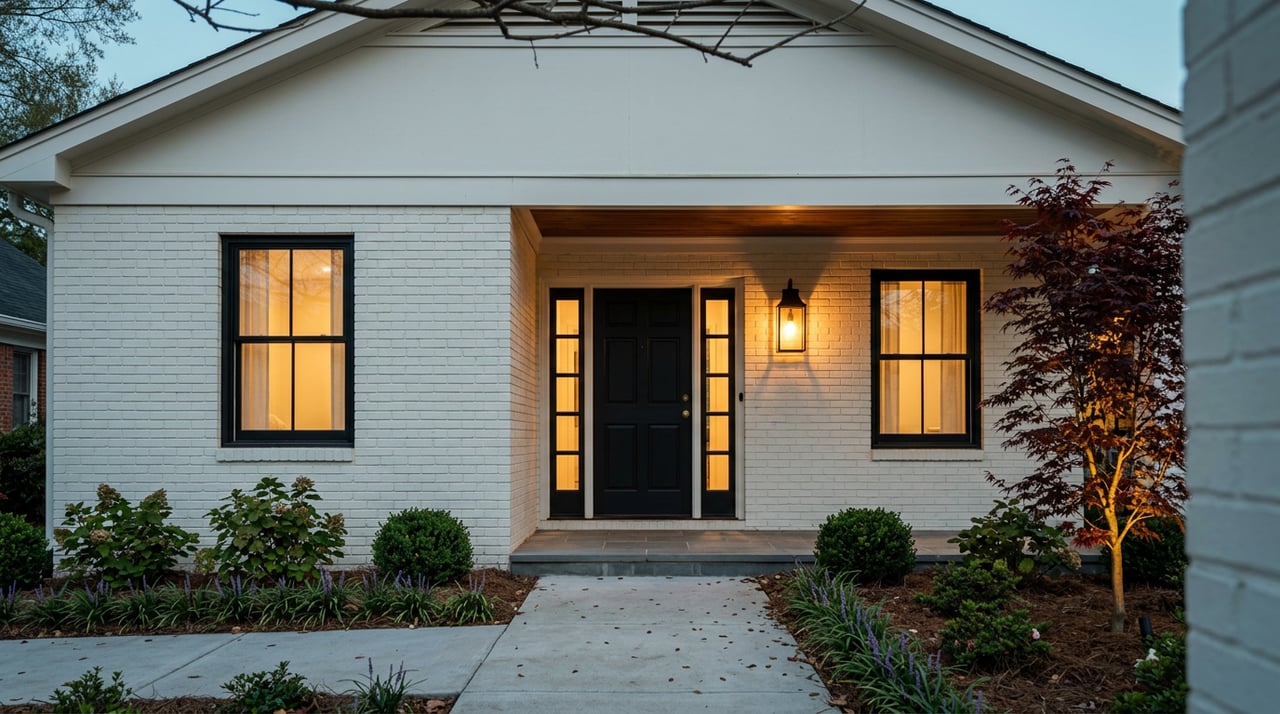
Older homes in Chamblee appeal to buyers looking for personality, established surroundings, and a stronger sense of place. In a city with roots going back to its railroad history, older housing can bring a very different experience than a newer infill property.
The city’s pattern book notes that Chamblee was incorporated in 1908 and includes older buildings from the late 19th and early 20th centuries, along with mid-century development and newer construction. That layering is part of what gives Chamblee its distinct character.
Older homes often stand out for details that are hard to replicate in newer construction. In Chamblee, they may also be found in areas with more mature tree cover and a more established neighborhood feel.
The city’s Sustainability Plan says Chamblee’s tree canopy is concentrated largely in single-family residential zones and on private property. That helps explain why many established areas feel greener and more settled.
The trade-off is that older homes usually require a longer checklist. The CFPB recommends scheduling a home inspection as soon as possible, since serious repair findings can affect negotiations and even delay closing.
This does not mean older homes are a bad choice. It simply means your decision should include enough room in your budget and timeline for inspection findings, repair discussions, or possible updates after closing.
For some buyers, an older home is attractive because it offers the chance to personalize the property over time. If a home needs work, HUD notes that FHA 203(k) financing can allow buyers to roll purchase and renovation costs together.
That option can make an older home more workable if you are comfortable taking on improvements. It can also be useful in a market where move-in-ready homes are not your only path.
In Chamblee, many homes were built well before 1980, so age-related issues are important to understand. The EPA explains that homes built before 1978 are more likely to contain lead-based paint, and renovation work can create hazardous lead dust if lead-safe practices are not used.
If you are considering an older home, this is one more reason to approach inspections and renovation planning carefully. A home with character can be a great fit, but it should come with informed due diligence.
When buyers compare new construction versus older homes, the monthly payment is only part of the story. In Chamblee, the smarter comparison is ongoing cost versus likely maintenance.
The CFPB advises looking at the full cost of ownership, including principal, interest, taxes, insurance, utilities, maintenance, and any HOA dues. That matters here because newer homes may come with monthly association fees, while older homes may come with more repair and renovation risk.
Here is a simple way to think about it:
| Home type | Common budget consideration |
|---|---|
| Newer construction | HOA or condo dues, potentially higher purchase price, lower near-term maintenance |
| Older home | More maintenance planning, possible repair negotiations, renovation costs over time |
It is also worth keeping market context in mind. Chamblee’s planning documents cite a 2023 median home sale price of $355,000, while an ARC snapshot shows a 2025 median home sale price of $450,000, and the Census reports a 2019-2023 median owner-occupied value of $407,900. These numbers are based on different measures and timeframes, so they are best used as broad context rather than direct comparisons.
In broad terms, newer homes and mixed-use communities in Chamblee are often connected to redevelopment areas near the city core, especially around downtown and the MARTA corridor. That fits the city’s long-term planning focus on walkability, transit access, and mixed-use growth.
Older homes are often more common in established single-family areas, where the housing stock tends to be older and tree canopy is more concentrated. That does not mean every area is neatly divided, but it does help explain why your home search in Chamblee may feel very different from one pocket to another.
A local housing snapshot also supports this split. It identifies one submarket with a median year built of 1971 and another with a median year built of 1999, which is a useful shorthand for Chamblee’s mix of established and newer housing.
The best choice usually comes down to what you want your day-to-day life to feel like. In Chamblee, that decision is often less about which type of home is better and more about which trade-offs make sense for you.
Chamblee is a great example of why local context matters. It is not a one-note housing market. It is a city where redevelopment, transit access, older housing stock, and established single-family areas all shape the buyer experience.
That means the right home is rarely just about square footage or year built. It is about how the property fits your budget, maintenance comfort level, commute needs, and lifestyle priorities.
If you want help comparing options in Chamblee, Ellen Cook offers personalized buyer guidance with local insight, clear communication, and hands-on support from search to closing.
Stay up to date on the latest real estate trends.

Ellen Thomas blends analytical insight with refined service to deliver a seamless real estate experience. Known for her thoughtful guidance and strong client advocacy, she helps buyers and sellers navigate every move with confidence and clarity.