If you work at Emory or the CDC, shaving even 10 minutes off your commute can change your day. North Druid Hills puts you close to both campuses, with plenty of rental choices and a solid mix of single-family homes and townhomes. In this guide, you’ll get a clear look at commute options, current home values, everyday amenities, and which micro-areas fit different goals. You’ll also see example commute times and nearby housing options to help you move with confidence. Let’s dive in.
Why North Druid Hills works for Emory and CDC
North Druid Hills sits just northeast of Atlanta’s city limits in DeKalb County, immediately adjacent to Emory University’s main campus (official address: 201 Dowman Drive, Atlanta, GA 30322) and the CDC’s central campus (1600 Clifton Road NE, Atlanta, GA 30329). Proximity to these two major employers consistently drives housing demand.
Local planning work highlights ongoing efforts to improve safety and mobility along key corridors, which supports daily life and long-term livability. You can see priorities like intersection upgrades and pedestrian improvements in the county’s North Druid Hills LCI report. Review the LCI overview for context.
Home prices and housing mix
Current pricing snapshot
- As of December 31, 2025, Zillow’s Home Value Index reports an average home value around $540,000 in North Druid Hills. Always check the latest medians before you make decisions because month-to-month numbers can shift.
- Compared with nearby intown options, North Druid Hills often lands above broader DeKalb averages but below some of the priciest intown neighborhoods. The value story is tied to location, housing variety, and steady demand from Emory/CDC staff.
Rent vs. own
- North Druid Hills has a substantial renter population. ACS-based estimates, as reported by Point2Homes, indicate many blocks are majority renter-occupied. That deep rental pool makes it easier to sign a short-term lease while you learn micro-neighborhoods.
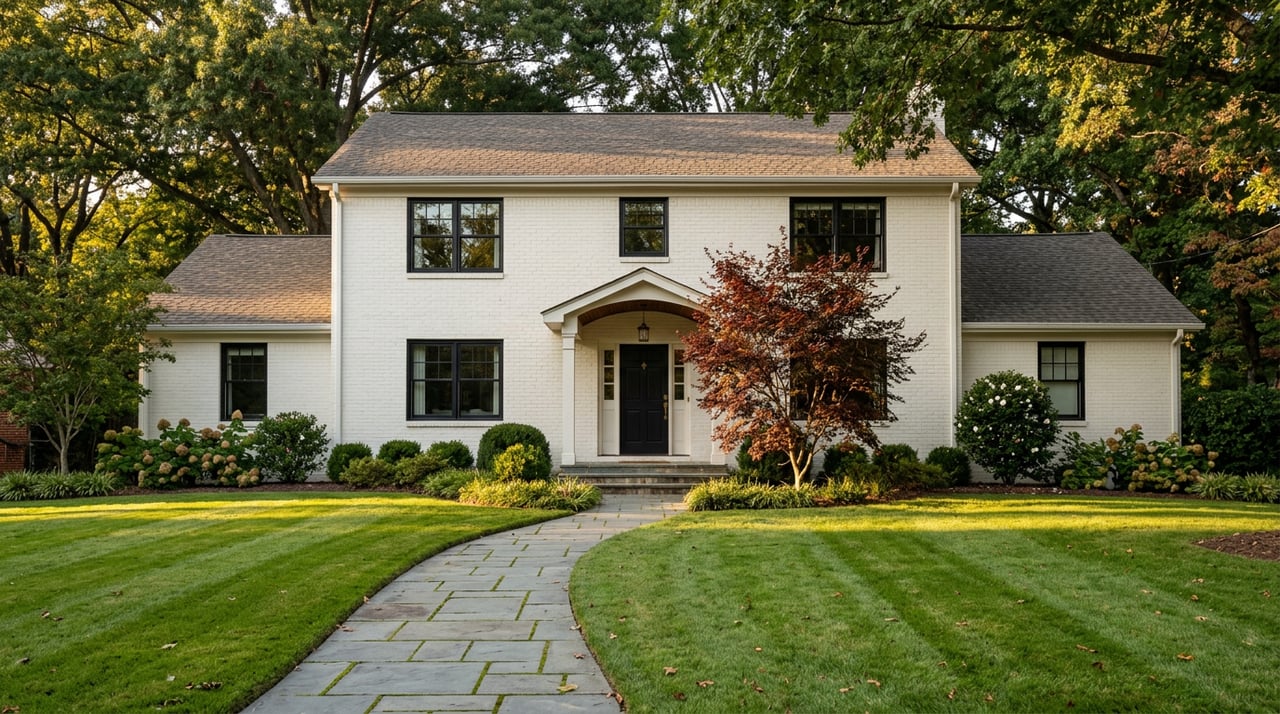
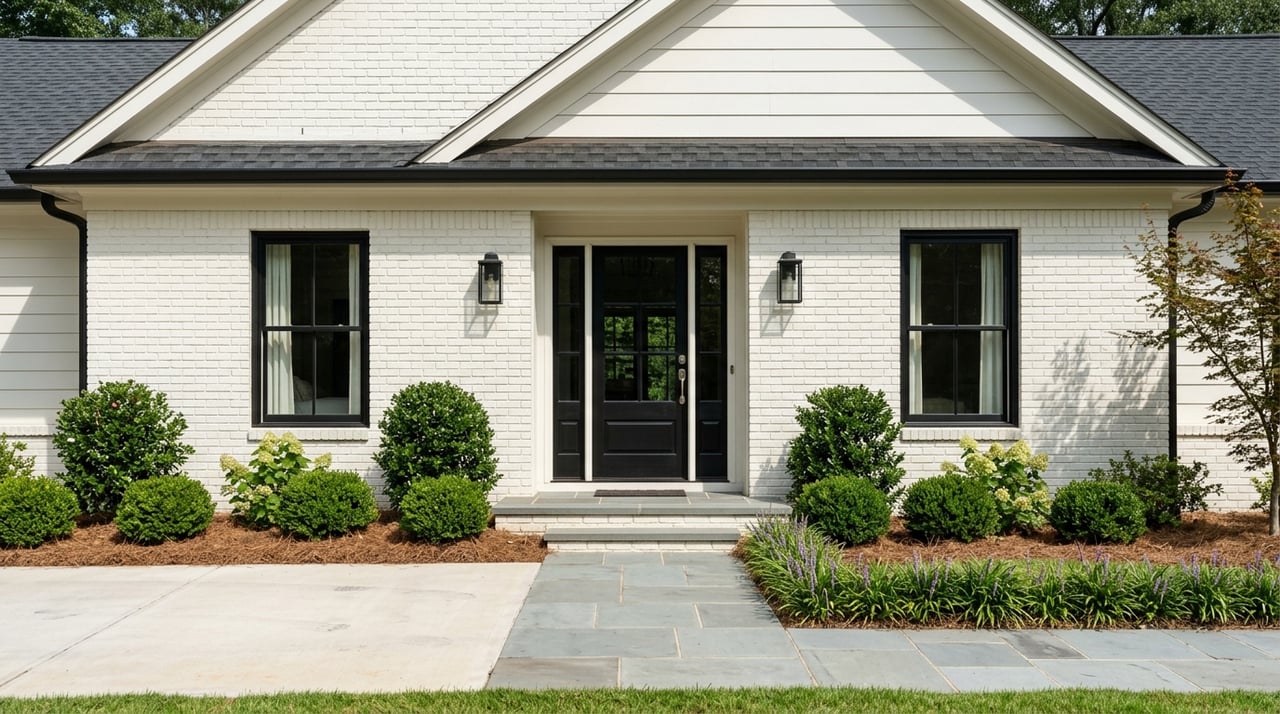
- For buyers, single-family pockets with mature trees and stable demand offer practical long-term value. Townhomes and condos add lower-maintenance options close to campus.
What you’ll see on the ground
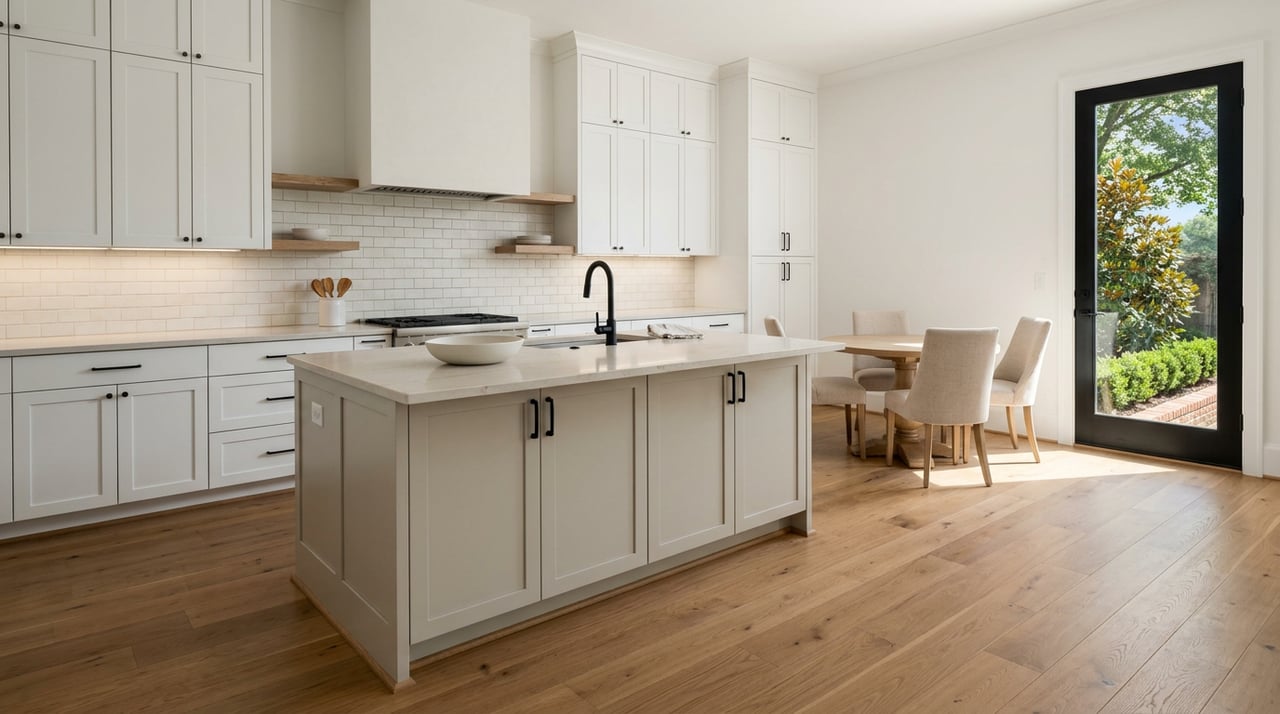
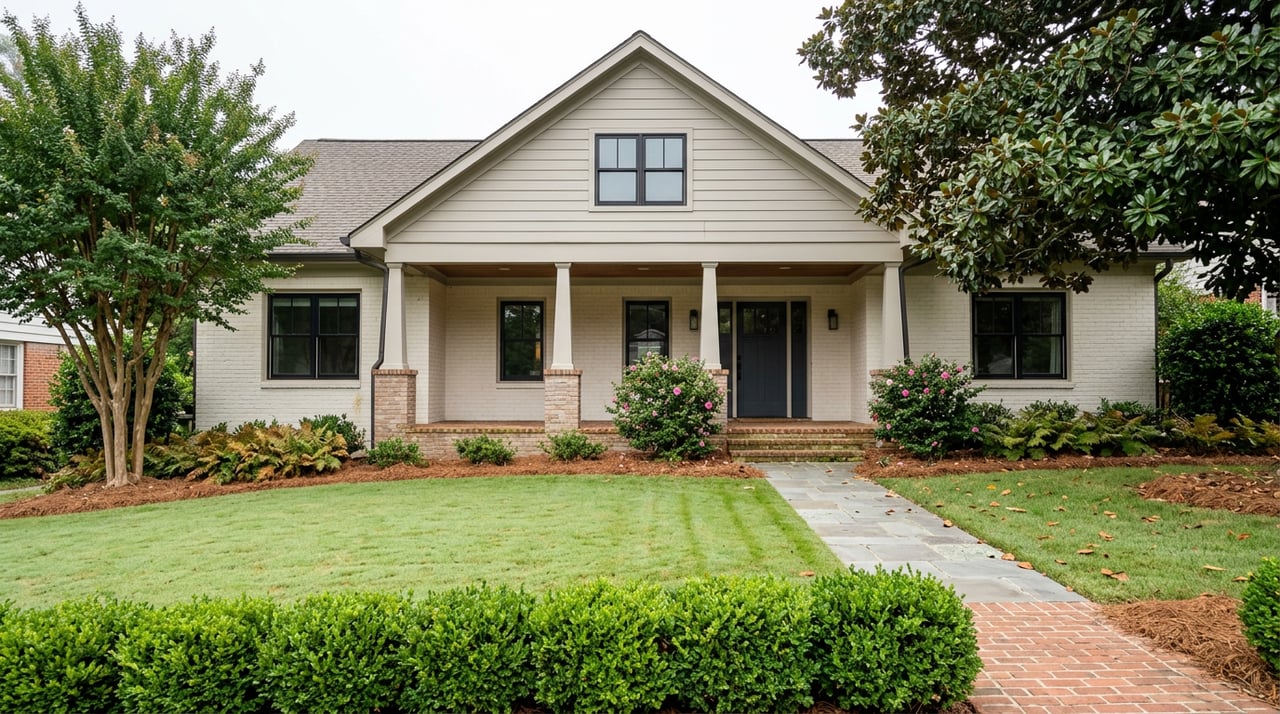
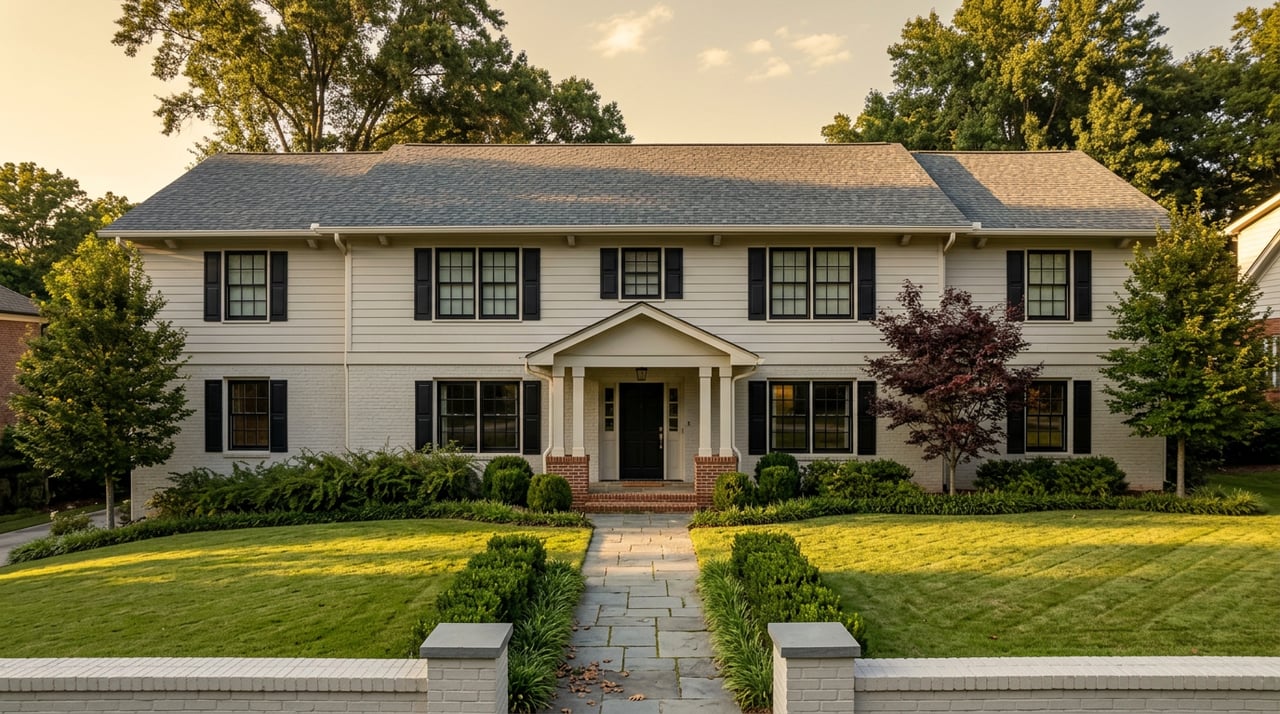
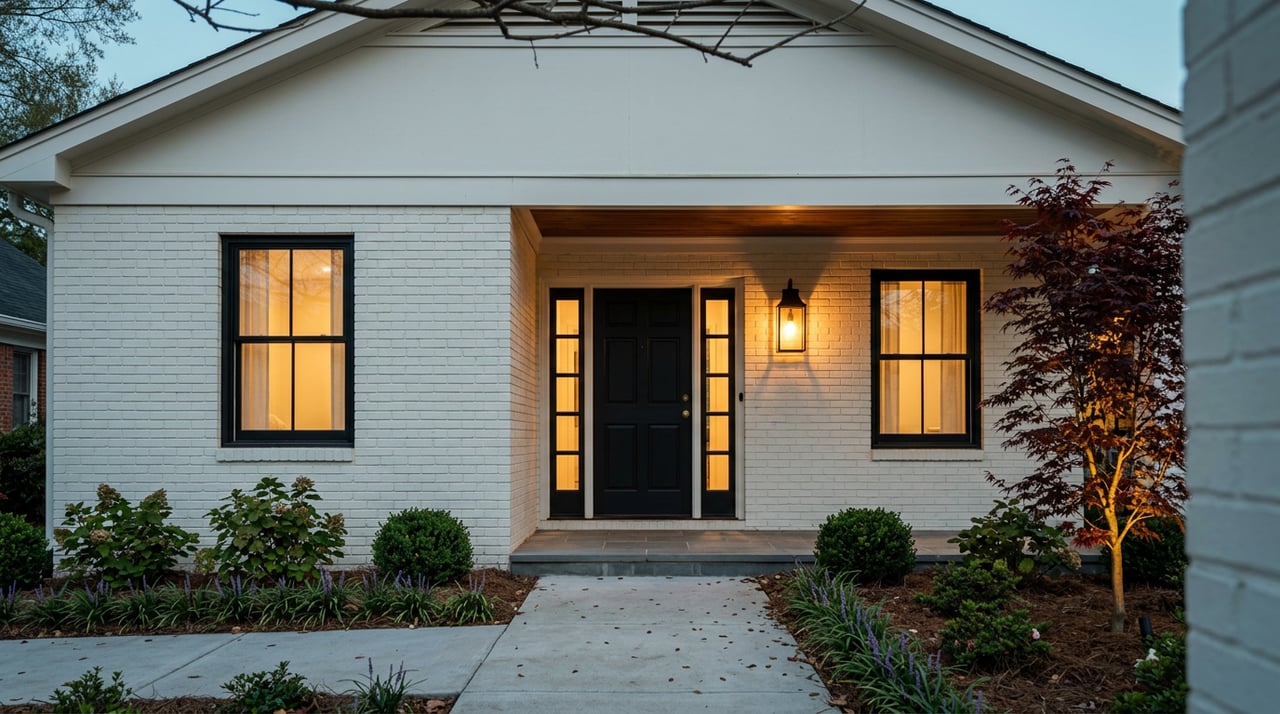
- Classic mid-century ranches and bungalows on tree-lined lots
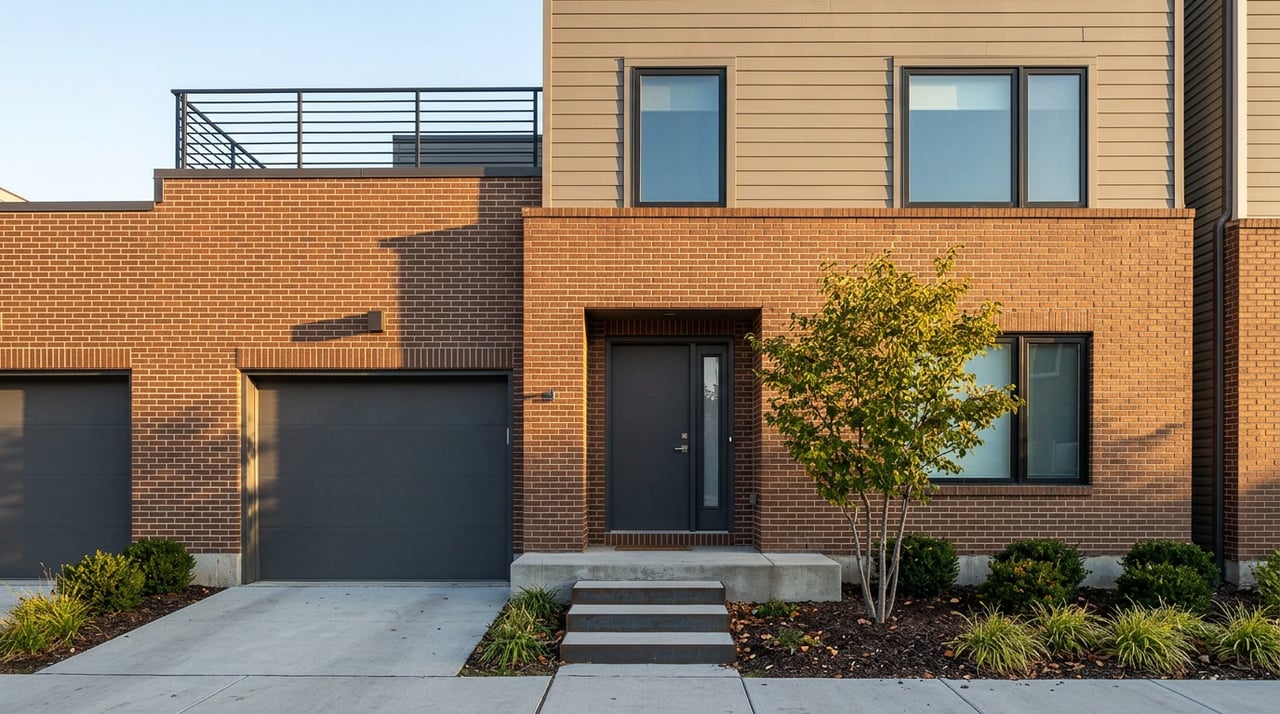
- Newer townhome infill in select corridors
- Low- and mid-rise apartment communities, especially around Executive Park and along North Druid Hills Road
Getting around: commute, shuttles, and traffic
Typical commute patterns
- Off-peak, many North Druid Hills addresses are roughly 5 to 20 minutes from Emory or the CDC by car. Peak-hour travel can stretch longer, so test your exact route.
- Emory’s free shuttle network serves Executive Park and connects to MARTA stations, which is a practical option if you live near those routes. Check the current Emory shuttle map before you sign a lease.
Roads and chokepoints to know
- Key routes include I-85 via North Druid Hills Road, Briarcliff Road, Clairmont Road, and Buford Highway.
- Intersections around Briarcliff, North Druid Hills, and LaVista experience congestion during rush hours. These nodes appear in county planning as areas targeted for improvement. See the LCI report’s mobility focus.
Commute examples you can test
- From Publix Toco Hills, 2969 North Druid Hills Rd, to Emory University (201 Dowman Dr): about 10 to 18 minutes around 8:00 am; about 12 to 22 minutes around 5:30 pm, depending on Briarcliff/LaVista traffic.
- From Publix Toco Hills to CDC (1600 Clifton Rd NE): about 10 to 20 minutes at 8:00 am; about 12 to 25 minutes at 5:30 pm, with variability at the Clifton corridor.
- From Executive Park area to Emory/Clifton via Emory Shuttle: many staff report a simple, car-free ride; allow extra buffer during peak class or shift changes. Confirm stop locations and timing on the Emory shuttle map.
Always run a real-time check from a specific address during your normal commute window before committing to a lease or purchase.
Where to live: quick area guide
Easiest commutes for renters
- Executive Park and the apartment clusters along North Druid Hills Road place you near shuttle stops and a short drive to campus. Short-term and corporate options are common in these corridors.
- Toco Hills offers everyday retail right outside your door, with many garden-style and mid-rise apartments nearby. You’ll find 1- and 2-bedroom layouts in a range of price points and finishes.
Sample options to explore:
- Emory Off-Campus listing near Briarcliff (short-term friendly). View the Emory off-campus example.
- Condo option in the Briarcliff/LaVista area with community amenities. See a representative condo listing.
- Newer luxury townhome communities appear in select redevelopment corridors; inventory changes fast, so ask for current on- and off-market options.
Strong value plays for buyers
- Briarcliff Woods and the Sagamore Hills area: established single-family pockets with larger lots and mature trees.
- Parts of LaVista Park: close to retail and commuting routes with townhome and single-family choices.
These areas tend to hold appeal for Emory and CDC employees who want to stay within a short drive, which supports long-term demand when you go to resell.
Everyday life: groceries, dining, and green space
- Groceries and daily errands cluster around Toco Hills, including Publix at 2969 North Druid Hills Road and a Kroger nearby. For store confirmation, see Publix’s participating list. Check the Publix reference list.
- Emory Village adds coffee shops and casual dining near campus, helpful for quick lunches and study sessions.
- Small parks and planned pedestrian improvements show up in county documents, reinforcing neighborhood walkability over time. Browse the LCI planning summary.
How North Druid Hills compares nearby
To keep apples-to-apples, consider general ranges using the same index source at a single point in time. As of late 2025 using Zillow’s neighborhood-level indices:
- North Druid Hills: mid-400s to 600s overall, ZHVI near $540k. Strong rental stock plus single-family and townhome options.
- Druid Hills: closer-in and typically pricier, with historic homes and leafy streets a short hop to Emory/CDC.
- City of Decatur: popular for an independent downtown feel; a mix of single-family homes and condos with short commutes to Emory/CDC.
- Morningside and Virginia-Highland: classic intown neighborhoods where ZHVI often trends $800k to $1M+, with longer or slower drives to Emory/CDC.
- Midtown and Buckhead: more urban condo choices in Midtown and higher average single-family prices in Buckhead, with commutes that vary based on traffic and exact worksite.
If you want the closest-in convenience without paying top-tier intown premiums, North Druid Hills offers a compelling balance.
Rent now or buy now?
Many relocating staff choose a two-step plan: rent for six to twelve months to learn micro-neighborhoods, then purchase once you have your bearings. The deep rental market and steady turnover make this practical. If you are confident in your budget and location priorities, buying sooner can lock in proximity and reduce moving twice.
A quick approach that works:
- Define your daily life radius: commute time target, nearest grocery and shuttle stop, preferred corridors.
- Tour 2 to 3 rental communities and 2 to 3 for-sale micro-areas on the same day to compare feel and drive times.
- If buying, review recent comparable sales and plan for inspections, appraisal, and any updates you need in year one.
Schools and due diligence
North Druid Hills is served by DeKalb County School District. Attendance lines can be irregular and periodically change. For any address you consider, verify the current school assignment directly with the district. Also review official crime maps and local police resources to understand block-by-block conditions. These checks ensure you have the most current, property-specific information.
Long-term value drivers to watch
- Steady demand from two large, stable employers: Emory and the CDC.
- Deep rental inventory that serves employees and students, supporting liquidity when you go to lease or sell.
- Mobility projects along the Clifton corridor and broader DeKalb initiatives that may improve access over time. Read more in MARTA’s planning documents for the Clifton Corridor. See MARTA’s Clifton Corridor report.
Potential risks to factor in: peak-hour congestion at key intersections, evolving school boundaries, and periodic federal workforce shifts that can affect short-term demand. Plan with buffers and lean on local market data when you write offers.
Your next step
If you want a ten-minute day-to-day to Emory or the CDC, North Druid Hills delivers. Whether you prefer a turnkey apartment on a shuttle line or a quiet single-family street with room to grow, the area offers real options at varied price points. If you would like a short list of vetted rentals, on- and off-market listings, and a commute test plan tailored to your schedule, reach out to Ellen Cook for a calm, data-backed path forward.
FAQs
How far is North Druid Hills from Emory and the CDC?
- Many addresses are a 5 to 20 minute drive off-peak to either campus; verify your exact route with a real-time check during your commute window.
What are typical commute times at rush hour?
- Expect longer travel at 8:00 am and 5:30 pm; plan for roughly 12 to 25 minutes from central Toco Hills to Emory/CDC, and test your exact address to confirm.
Is North Druid Hills walkable for daily errands?
- Pockets around Toco Hills and Emory Village are convenient for quick errands, but most residents still use a car for trips outside those nodes.
Should I rent first or buy right away near Emory/CDC?
- Many staff rent for 6 to 12 months to learn micro-neighborhoods, then buy; the rental market is deep enough to support a staged approach.
Which neighborhoods are good for buying in North Druid Hills?
- Briarcliff Woods, Sagamore Hills, and parts of LaVista Park are popular with buyers seeking short commutes and established streetscapes.
Which roads get the most traffic in North Druid Hills?
- Intersections around Briarcliff, North Druid Hills, and LaVista see peak congestion; review county mobility plans and test your route during rush hour.