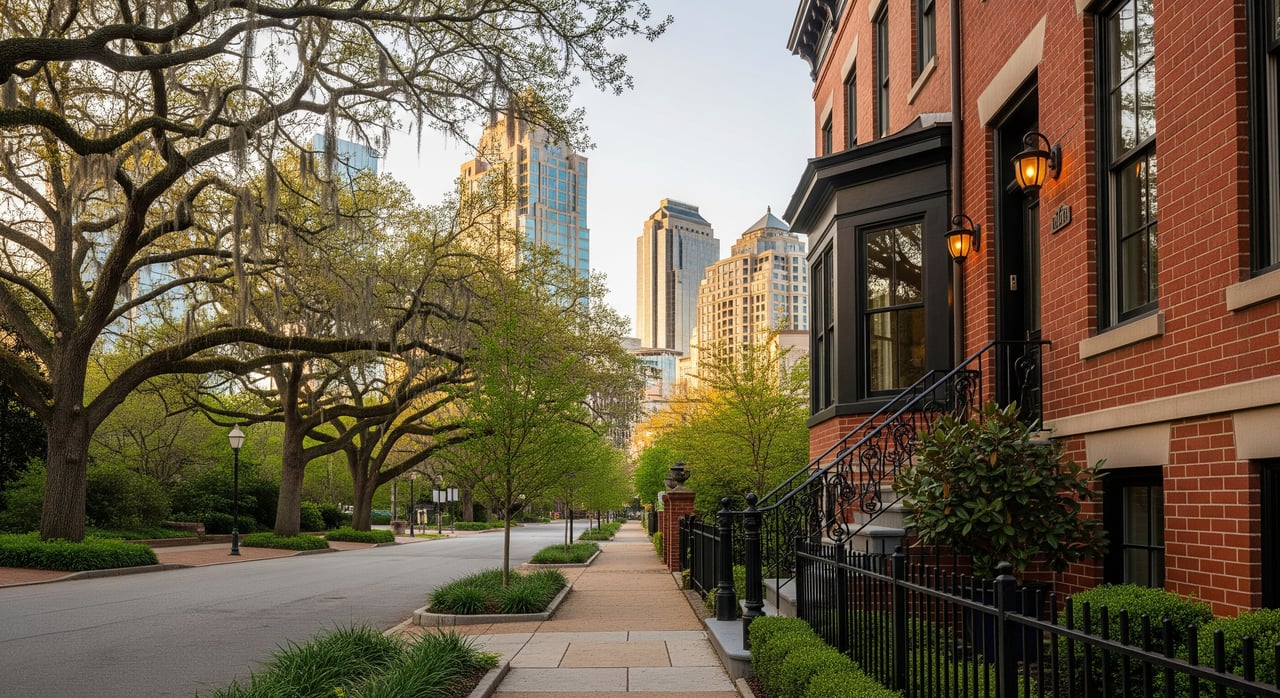
What Intown Atlanta Neighborhoods Really Offer Buyers
December 8, 2025
December 8, 2025
Is “intown Atlanta” a vibe, a map line, or both? If you’re searching near Midtown and keep seeing the term, it can feel vague. You want a clear picture of neighborhoods, housing options, and daily life before you start touring. This guide breaks down what “intown” really means around Midtown, how it affects your search, and how to choose the right fit. Let’s dive in.
“Intown Atlanta” is a local shorthand for the denser, older, walkable neighborhoods inside the metro’s major highways and, more narrowly, inside the I-75/I-85 corridor. In a Midtown-centered search, it points to areas close to job centers, transit, and everyday amenities. Think condos along Peachtree, historic streets near the Atlanta BeltLine, and townhome infill near retail nodes.
To keep things concrete, use Midtown as your anchor. Midtown is the cultural and employment hub centered along Peachtree Street between North Avenue and 17th Street, with high-rise living, major institutions, and easy transit access. Start your orientation with this Midtown neighborhood guide to visualize boundaries and lifestyle.
Midtown puts you steps from theaters, museums, parks, and dining. It also offers MARTA rail and bus connections, which can reduce your dependence on a second car. From Midtown, you can branch into nearby pockets like Old Fourth Ward, Inman Park, Virginia-Highland, Candler Park, and West Midtown as you refine your wish list.
Intown housing tends to be diverse, and that variety is part of the appeal. Expect a mix of vertical living, historic homes, and modern infill, often within a few blocks of restaurants, parks, and everyday services.
High-rise and mid-rise condos form the core of Midtown living, especially along Peachtree and near cultural venues. You’ll find newer towers, boutique mid-rises, and loft conversions in former industrial buildings. Many buildings offer amenities like gyms, pools, and concierge services, which can be a major plus if you prefer low-maintenance living.
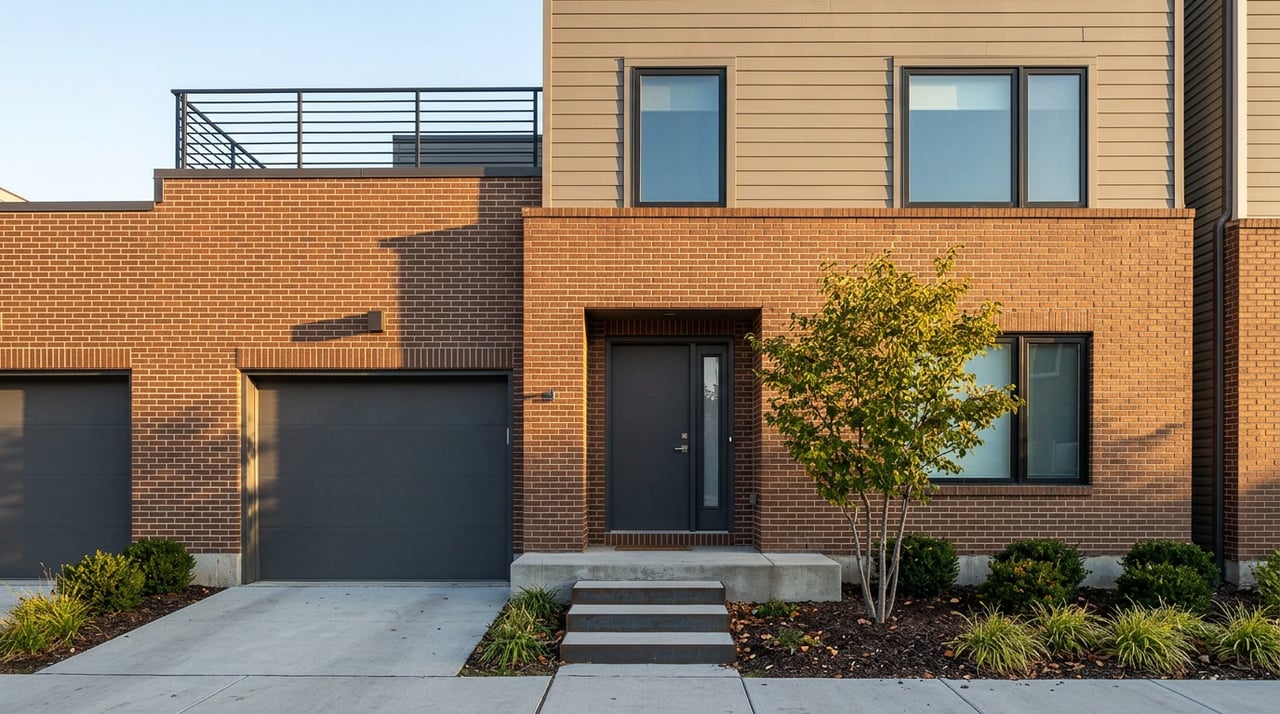
Townhomes and modern rowhouses are common along transition corridors and near BeltLine segments. These often balance low exterior maintenance with more space than a typical condo. Many include garages, which simplifies parking for multi-car households.
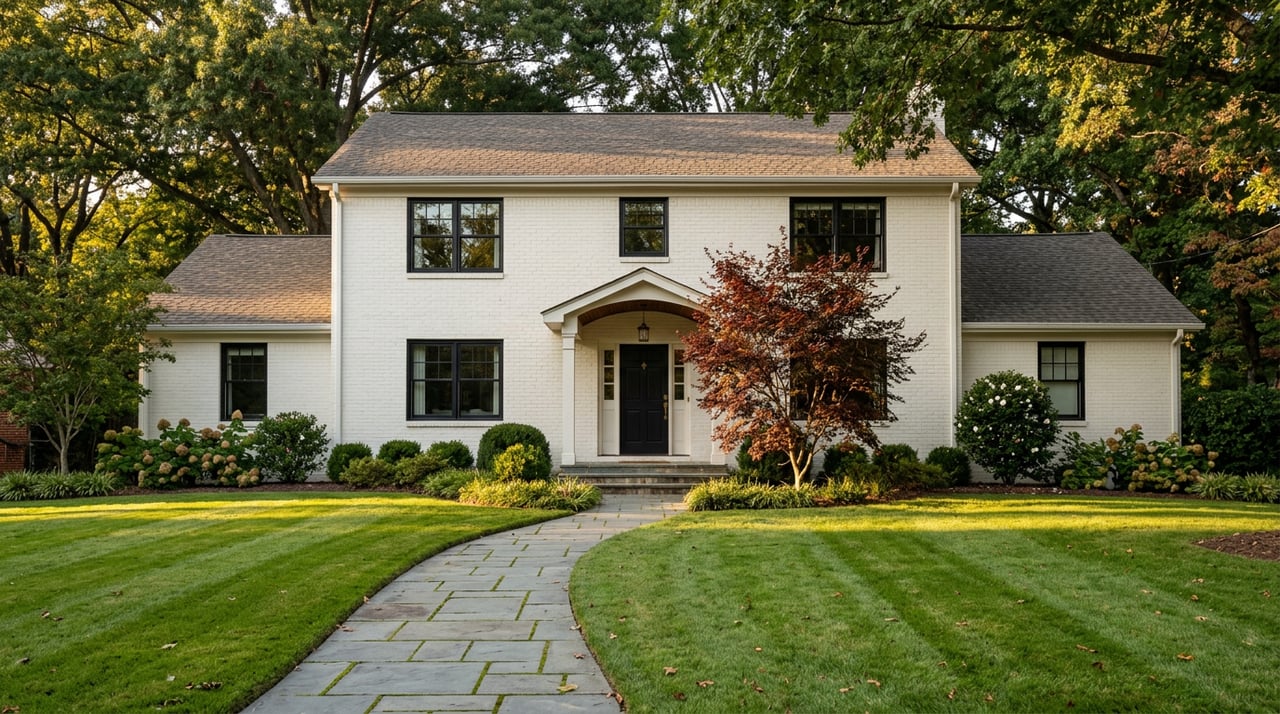
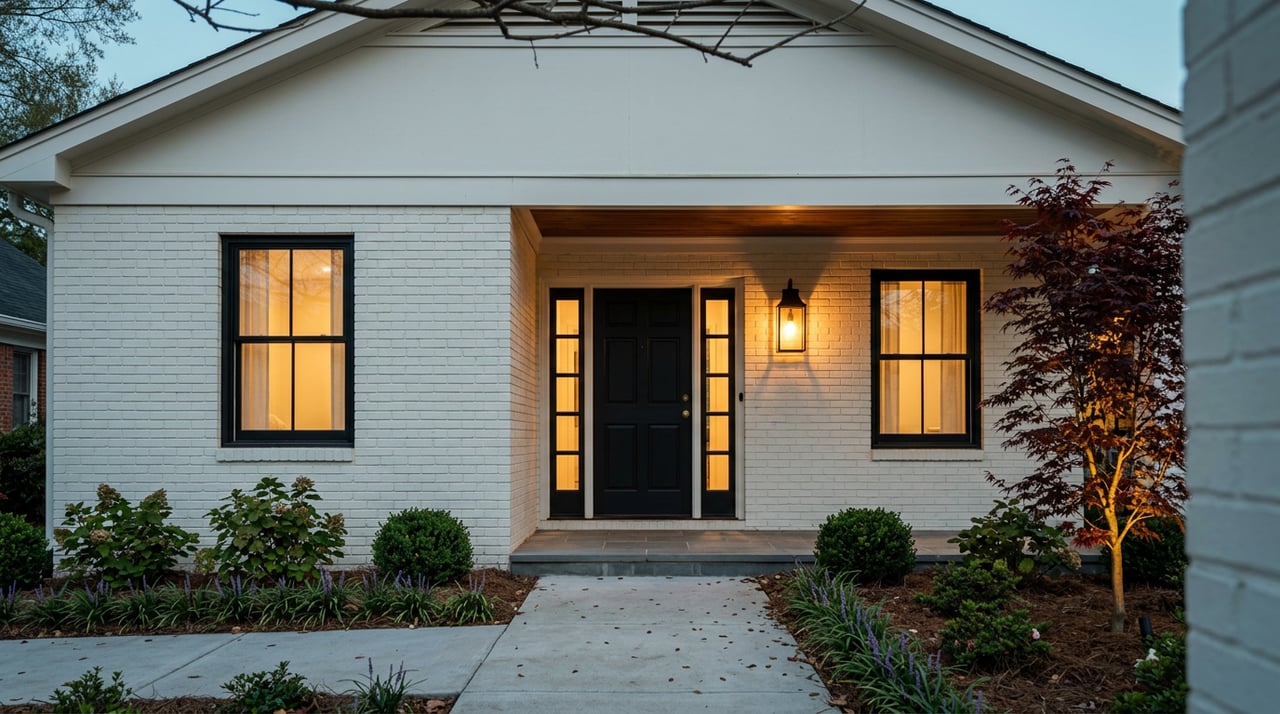
Close-in neighborhoods just east and northeast of Midtown feature historic bungalows and classic homes on tree-lined streets. These homes often come with character and established landscaping, plus the possibility of a yard. In some preservation areas, exterior changes may be reviewed, which helps maintain neighborhood character while shaping renovation choices.
Condos and many townhomes operate under associations that handle exterior maintenance, amenities, and reserves. Fees vary by building and offerings. Parking differs too: some homes include deeded spaces, others rely on assigned or street parking. Review the rules carefully using a resource like the HOA and condo document guide before you write an offer.
Choosing intown is largely about daily life. You gain walkability, transit options, and quick access to culture and parks. You may give up some private space and quiet, depending on the block.
Midtown is served by MARTA rail stations and bus routes, which can streamline commutes to nearby job centers. Many residents pair transit with walking, biking, or scooters for short trips. Transit access reduces car dependence for some households, though a car is still helpful for certain errands or regional trips.
Proximity to the Atlanta BeltLine increases the utility of walking and biking for everyday errands and recreation. Segments like the Eastside Trail connect several intown neighborhoods and retail nodes. If you plan to bike or walk often, focus your search within an easy walk of a completed segment.
If you drive, access to I-75/I-85 and other major routes varies by neighborhood. In some pockets you can reach the highway quickly. In others, you’ll navigate surface streets before merging, which can affect commute predictability.
Use Midtown as a baseline, then compare nearby options based on housing type, space, and pace. The goal is to match your daily rhythms with the right block.
Use a simple framework to translate priorities into a focused search:
Ready to explore what “intown” looks like for you in real life? Start with a focused conversation about your daily routine, housing style, and budget range, then tour a few contrasting neighborhoods to sharpen your preferences. When you are ready for personalized guidance and curated tours, connect with Ellen Cook for a one-on-one buyer consultation.
Stay up to date on the latest real estate trends.

Ellen Thomas blends analytical insight with refined service to deliver a seamless real estate experience. Known for her thoughtful guidance and strong client advocacy, she helps buyers and sellers navigate every move with confidence and clarity.