Dunwoody Basement Value: Basement vs. Bonus Room
December 18, 2025
December 18, 2025
Thinking about finishing a basement or turning that bonus room into something special? In Dunwoody, the right choice can boost livability and resale appeal, but each path offers different benefits. If you are a move-up buyer or a seller planning a pre-listing refresh, it helps to know how local buyers view below-grade space versus bright, flexible rooms. In this guide, you will learn what buyers value, what affects appraisal and confidence, and practical steps to prep your home. Let’s dive in.
Dunwoody draws move-up families and professionals who value commute access to I-285, GA-400, and Perimeter Center, along with neighborhood amenities. Many homes here are traditional single-family properties with some townhomes and a handful of higher-end custom builds. Buyers often want extra space for a home office, playroom, gym, or guest suite. That is why finished basements and bonus rooms show up at the top of wish lists.
Before you invest, get clear on terms. Buyers and appraisers look at these spaces differently.
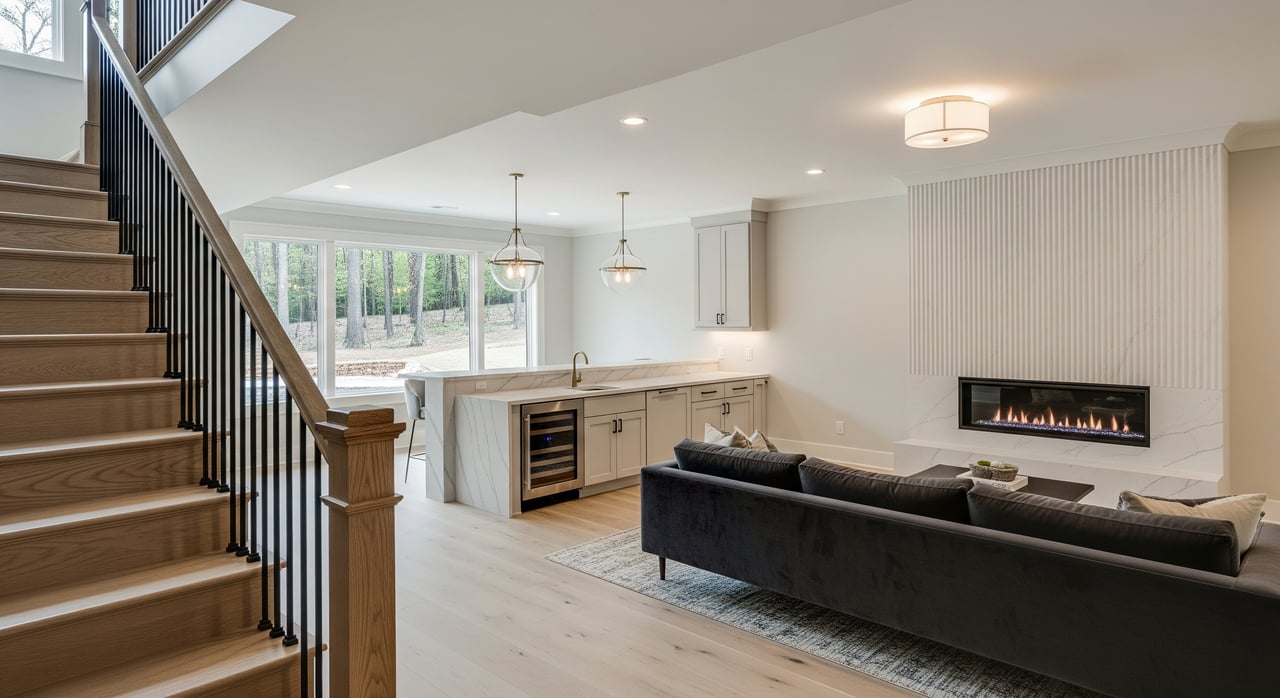
A finished basement is below-grade or partially below-grade space converted to living area. In Dunwoody, you will see full basements, daylight basements, and walkout basements on sloped lots. Common uses include a large family room, home theater, playroom, craft space, or an in-law or guest suite when egress and mechanicals comply with code.
A bonus or flex room is above-grade and not counted as a formal bedroom. You often find them over the garage or as a big all-purpose room on the second floor. Owners use these as playrooms, media rooms, offices, gyms, or hobby spaces. Some can be converted to a bedroom if egress and closet rules are satisfied.
Both spaces add function, but they resonate differently with Dunwoody buyers.
Many families prioritize bright, above-grade spaces that feel central to daily life. That said, a well-executed finished basement can be a standout feature for buyers who want more elbow room, a private guest zone, or potential rental income use where compliant. Condition, natural light, ceiling height, and odor control are decisive. Damp, low-ceiling, or unpermitted basements are often discounted during negotiations.
Much of the Atlanta metro, including Dunwoody, sits on Piedmont clays and saprolite with variable topography. That geology can make traditional full basements less common or more expensive than in northern markets. Walkout or daylight basements are feasible on sloped lots and tend to command more interest thanks to natural light and easier egress. If your home is near a creek or mapped flood zone, checking floodplain status matters before you market any lower level as living space.
Code compliance is one of the biggest factors in buyer confidence and appraisal.
When permits are missing or undocumented, buyers may worry about safety or insurance coverage. Clear documentation, receipts, and inspection reports reduce friction at the closing table.
Below-grade spaces live or die by moisture management. Long-term value requires thoughtful water control and air quality.
A fresh-smelling, dry basement with visible evidence of good maintenance shows well and supports pricing.
In general, above-grade space is often valued more per square foot than below-grade space. That is why a bright bonus room can punch above its weight. Still, a thoughtfully finished basement can be a strong selling point, especially when it offers daylight, good ceiling heights, solid finishes, and a practical layout.
If you are deciding where to invest, consider your likely buyer. Many Dunwoody move-up families want a playroom near main living areas, along with a separate zone for guests or a home theater. Pairing a cheerful bonus room with a well-executed basement can attract a wider pool of buyers at resale.
Use this prioritized list to prep your lower level or bonus room before you list.
Accurate, transparent marketing protects your price. Be clear about what is above grade and what is below grade. If you have a walkout basement with good light, highlight it with daytime photography. If you claim bedrooms, be ready to show egress compliance. Stage for specific uses and keep the story simple: how the space lives day to day and how guests or family will enjoy it.
On a sloped Dunwoody lot, a walkout or daylight basement can feel like true living space. With windows, a separate entrance, and quality finishes, it becomes ideal for multi-generational use, extended guest stays, or entertainment zones. Buyers respond to natural light, generous ceiling heights, and a layout that connects easily to outdoor space. Documented permits and moisture controls complete the package.
If your home lacks a central flex space, a bright bonus room can change daily living. Families appreciate a playroom near the main floor, while remote workers want a quiet office with good light. Many buyers prefer above-grade comfort for routine tasks, which is why an inviting bonus room can drive quick showings and strong offers.
If you are weighing a finished basement against a bonus room, start with the basics: site conditions, moisture, code paths, and your target buyer. Decide which space will serve your daily life now and still attract the broadest buyer pool later. Then invest in the fundamentals that buyers notice, from light and finishes to documentation and comfort. When you are ready to plan a smart pre-list strategy, reach out to Ellen Cook for local guidance, vetted vendors, and polished marketing that tells your home’s story.
Stay up to date on the latest real estate trends.

Ellen Thomas blends analytical insight with refined service to deliver a seamless real estate experience. Known for her thoughtful guidance and strong client advocacy, she helps buyers and sellers navigate every move with confidence and clarity.