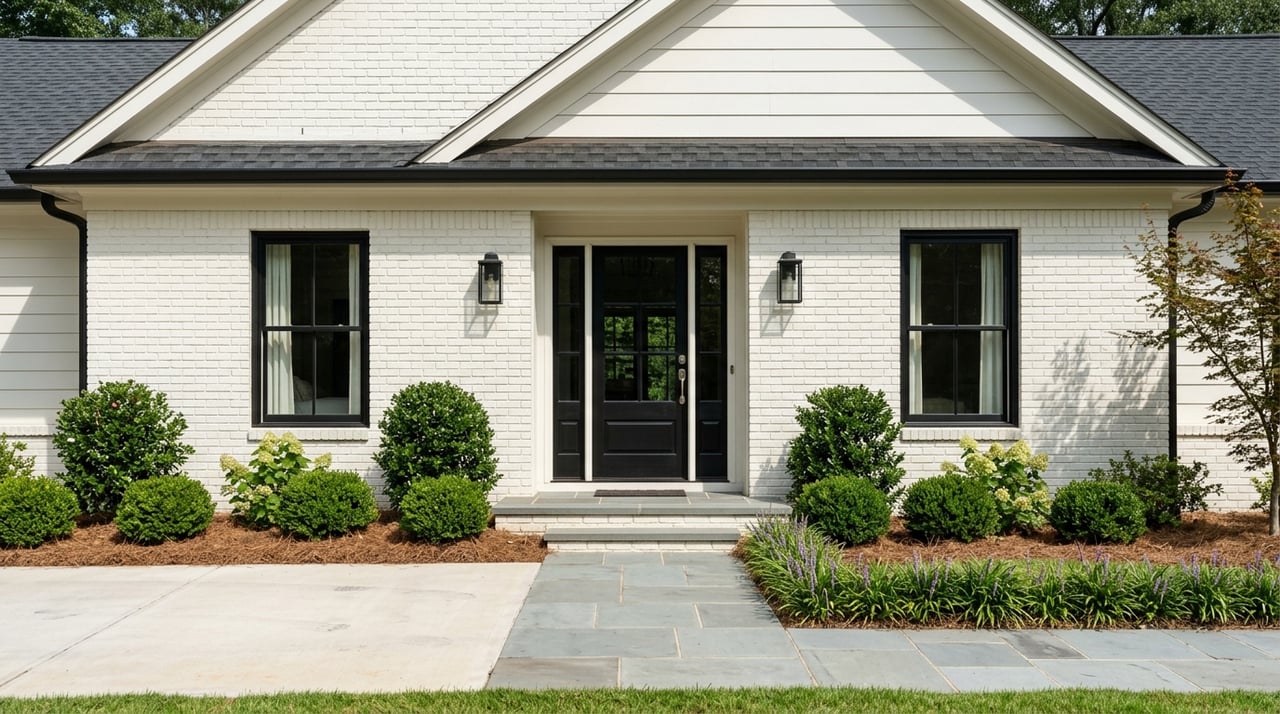
Thinking about listing your Brookhaven home and wondering which fixes actually move the needle? You’re not alone. In our humid Atlanta climate and with many older homes in the mix, certain issues pop up on inspections again and again. If you know what to tackle first, you’ll reduce surprises, protect your price, and help your home show its best.
In this guide, you’ll learn the pre-listing repairs that matter most in Brookhaven, what inspectors focus on, a realistic 60–120 day plan, and how to coordinate vendors and staging. Let’s dive in.
Why repairs matter in Brookhaven
Brookhaven sits in a warm, humid climate where moisture is tough on homes. That means exterior wood rot, roof wear, clogged gutters, and mildew are common findings. Many neighborhoods blend older homes with newer builds, so buyers often order thorough inspections and lenders may require documentation for certain items.
When you address inspection-prone issues up front, you reduce buyer concessions, keep your timeline on track, and build confidence from the first showing to closing.
Inspection-prone fixes to prioritize
Exterior wood rot and trim
Inspectors in our area look closely at sills, porch posts, deck ledgers, fascia, and window and door trim. Rot suggests moisture intrusion and can signal bigger issues.
What to look for:
- Soft or crumbling wood, especially on horizontal surfaces
- Peeling paint clustered at exposed edges
- Dark stains around windows or doors
- Gaps where flashing should shed water
Recommended action:
- Replace compromised wood and correct the moisture source with proper flashing, guttering, or grading.
- For decks, confirm safe ledger flashing and fasteners.
- Finish with quality exterior paint or stain.
Timing: Minor repairs can finish in a few days; broader remediation may take 2–4 weeks including paint touch-ups. Structural work or decking replacement may require permits.
HVAC servicing and documentation
HVAC performance is a top buyer concern. Systems with unknown service history often trigger repair requests.
What to look for:
- Inconsistent heating or cooling, unusual noises, dirty filters, or rust
- Missing age or service records
Recommended action:
- Schedule a professional tune-up for indoor and outdoor units. Have coils cleaned, filters replaced, and safety controls tested.
- Keep a dated service receipt and checklist to share with buyers.
Timing: Tune-ups can usually be booked within 1–2 weeks. If replacement is needed, allow 2–6 weeks for selection, permitting, and installation.
Minor plumbing and water heater
Active leaks, slow drains, and aging water heaters are frequent inspection notes and can hint at larger issues.
What to look for:
- Drips under sinks, low water pressure, stained ceilings or cabinets
- Slow drains, loose toilet bolts, or rusty water heater tanks
Recommended action:
- Fix active leaks, clear drains, and replace failing fixtures or water heaters.
- Confirm shutoff valves are accessible and functional.
- Save receipts for buyer packets.
Timing: Small fixes often take 1–3 days. Water heater replacement typically takes 1–3 days plus any required permit processing.
Roof, gutters, and attic
A roof near the end of its life, clogged gutters, or attic moisture can spook buyers and affect appraisals.
What to look for:
- Missing shingles, sagging areas, or granules in gutters
- Water stains on ceilings or daylight visible in the attic
- Clogged or damaged gutters and downspouts
Recommended action:
- Complete roof repairs or replace if needed. Clean and repair gutters.
- Address attic ventilation or insulation gaps and remediate signs of leaks.
- If not replacing the roof, obtain a professional roof assessment to give buyers confidence.
Timing: Repairs can take a few days. Full replacement is often 1–2 weeks depending on crew availability and permitting requirements.
Electrical safety items
Inspectors and insurers flag unsafe, outdated, or modified electrical systems.
What to look for:
- Two-prong outlets or missing GFCIs in kitchens, baths, and exterior areas
- Flickering lights, frequent breaker trips, exposed splices
Recommended action:
- Install GFCIs where appropriate, label panel circuits, and correct visible hazards.
- For larger needs like panel changes or circuit additions, expect permitting.
Timing: Minor upgrades 1–3 days. Panel work 1–2 weeks due to permits and scheduling.
Paint and surface refresh
Cosmetic issues can read as deferred maintenance. Fresh, neutral paint has an outsized impact on marketability.
What to look for:
- Peeling or uneven paint, dated colors, nail pops, and scuffed walls
Recommended action:
- Repaint high-impact areas like the entry, living spaces, and kitchen in a cohesive neutral palette.
- Patch and sand holes, and touch up trim.
- For pre-1978 homes, follow lead-safe practices and complete required federal disclosures regarding lead-based paint.
Timing: Most projects finish in 3–7 days, including prep and dry time.
Curb appeal and exterior maintenance
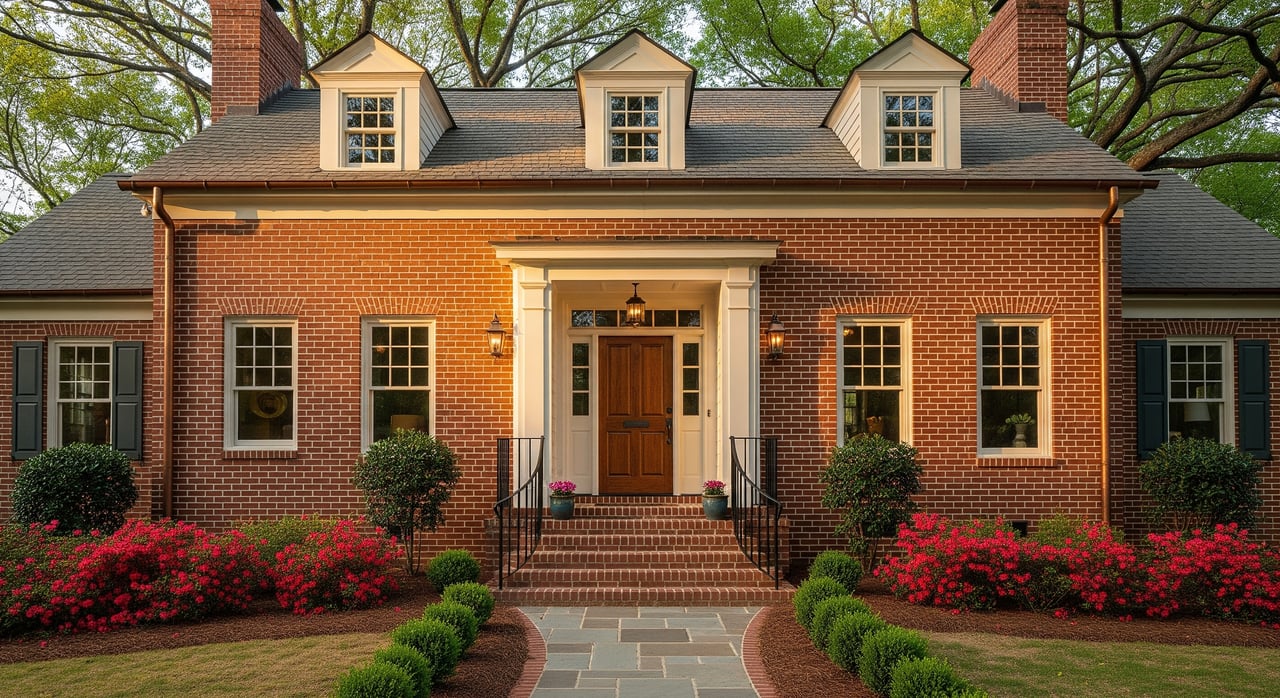
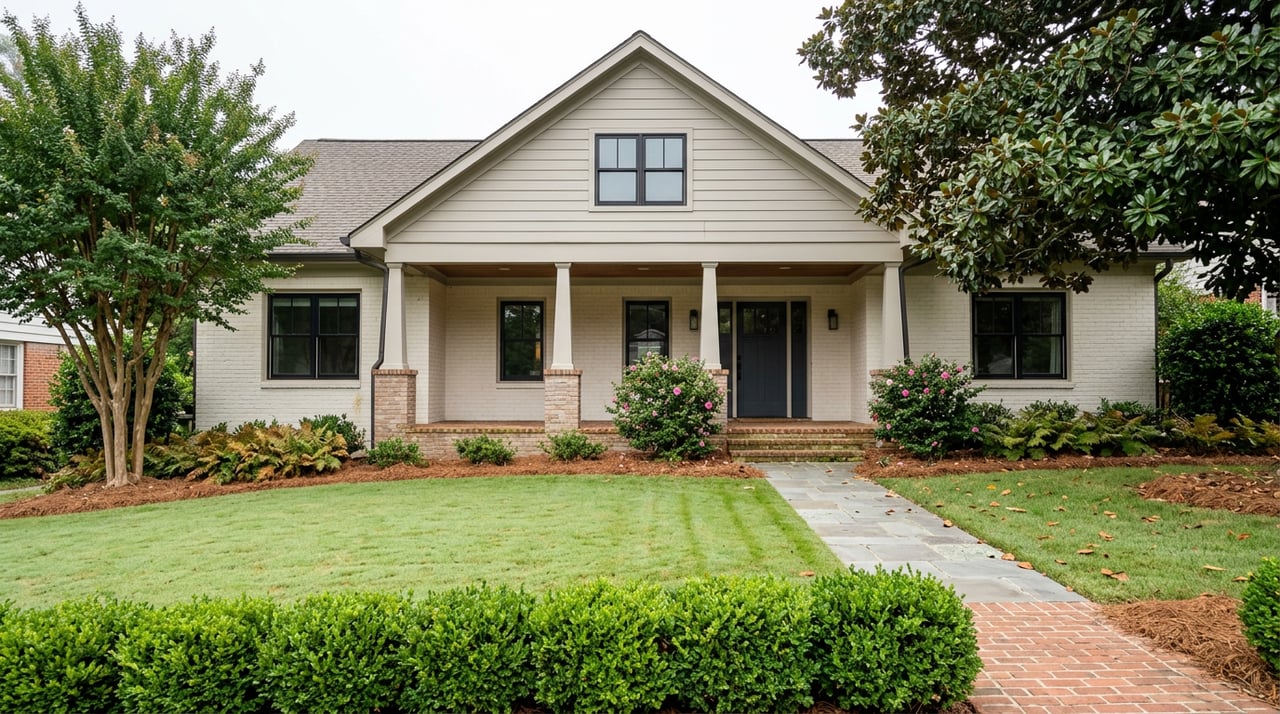
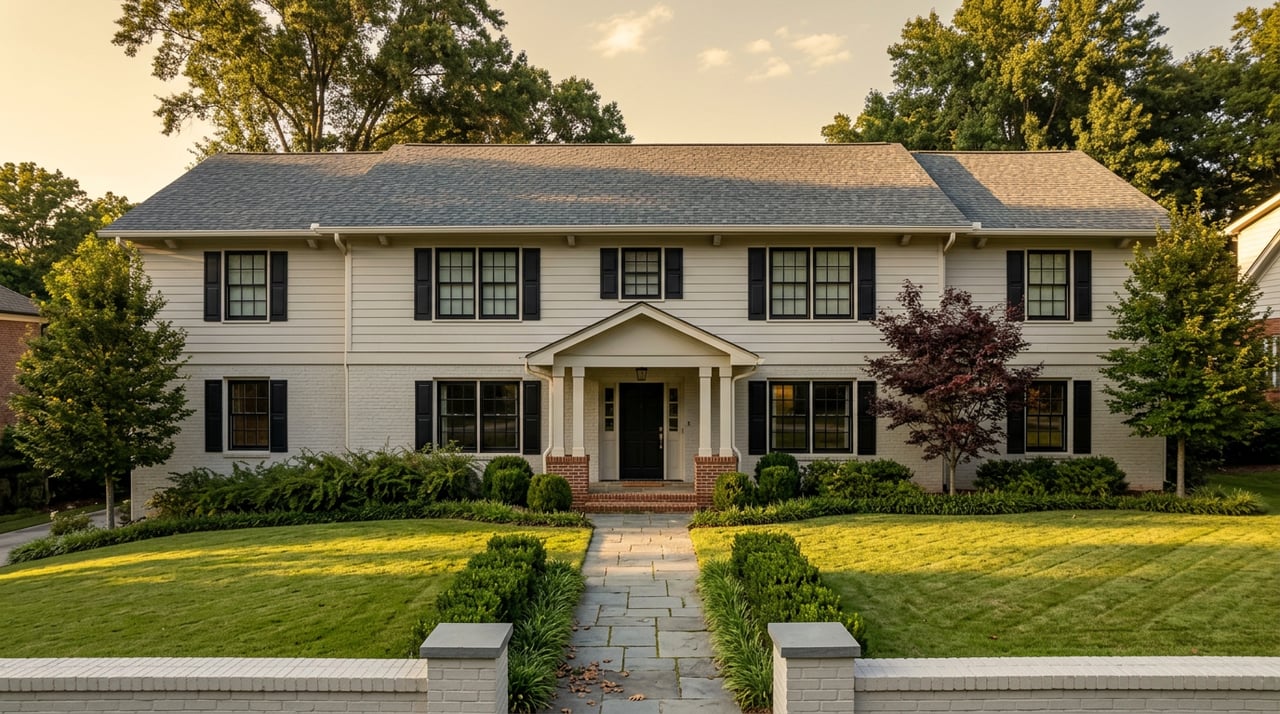
First impressions start at the street. Simple upgrades can change how buyers feel before they walk in.
High-impact actions:
- Pressure wash siding and driveway
- Trim landscaping and add fresh mulch
- Repair handrails and walkways; tidy mailbox and driveway
- Clean or repaint the front door, update house numbers and porch lighting
Timing: Most curb appeal projects can be wrapped in about a week.
Termites and wood-destroying organisms (WDO)
WDO inspections are common across the Southeast, and lenders often want a clear report.
Recommended action:
- Order a pre-listing WDO inspection if the home is older or shows signs of activity.
- Treat any active infestation and repair related damage.
- Keep the clearance letter from a licensed pest professional for your listing packet.
Timing: Inspections can be scheduled in a few days; treatments and repairs vary from 1–3 weeks.
A practical 60–120 day plan
The most efficient approach is to knock out safety and permitted systems first, then moisture and structural items, followed by cosmetic and staging.
Option A: 60-day accelerated plan
- Days 1–3: Agent walkthrough; book a pre-listing inspection within the first week.
- Days 4–14: Review the report; get three bids for structural, roof, HVAC, plumbing, and electrical work.
- Days 10–35: Complete major systems repairs; pull permits early as needed.
- Days 20–45: Handle exterior wood rot, gutters, and paint touch-ups; complete landscaping.
- Days 35–50: Interior paint and small fixes; deep clean.
- Days 45–55: Staging, photography, and listing preparation.
- Days 56–60: Go live on the market.
Option B: 90–120 day recommended plan
- Weeks 1–2: Pre-listing inspection and agent walkthrough; prioritize repairs.
- Weeks 2–4: Vet contractors and obtain permits.
- Weeks 4–10: Complete structural and systems work; handle municipal inspections.
- Weeks 8–12: Paint, finish carpentry, and curb appeal.
- Weeks 10–16: Stage, photograph, and launch.
Pro tips:
- Apply for permits as early as possible to avoid delays.
- Bundle tasks: do roof and gutter work before exterior paint; finish plumbing/electrical fixes before patching walls.
- Lock in start dates and hold contractors to a clear schedule.
Permits and disclosures to handle early
Major repairs that alter structure, plumbing, HVAC, or electrical often require permits with the City of Brookhaven or DeKalb County. Confirm requirements before work begins to avoid failed inspections later. Keep all permits and final sign-offs for buyer review.
If your home was built before 1978, federal rules require lead-based paint disclosures and delivery of the applicable EPA/HUD pamphlet. If you plan to disturb older painted surfaces, use lead-safe work practices.
For financing, expect buyers and lenders to request clear documentation for HVAC condition and any WDO findings and treatments.
Vet and coordinate the right vendors
A smooth pre-listing process relies on credible, well-coordinated pros.
Vetting checklist:
- Verify trade licenses where applicable in Georgia, plus general liability and workers’ comp where required.
- Ask for local project references and recent reviews.
- Request itemized written estimates showing scope, materials, timelines, payment schedule, and warranty terms.
- For major projects, require lien waivers and completion certificates. Hold final payment until municipal sign-offs are complete.
Coordination best practices:
- Sequence work to minimize rework and protect new finishes.
- Keep a shared schedule with milestone dates and permit inspection windows.
- Store all receipts, warranties, permits, and inspection reports in a single packet for buyers and inspectors.
Staging that sells in Brookhaven
Stage only after dust-producing work and paint are complete. If limited work continues during marketing, consider virtual or partial staging for the main living areas.
High-impact staging steps:
- Declutter and depersonalize to let rooms feel larger and calmer.
- Use a neutral, cohesive paint palette and crisp, consistent light bulbs.
- Clear kitchen and bath counters; remove refrigerator magnets and personal items.
- Show appropriate bed sizes with minimal furniture to highlight space.
- Add simple finishing touches like new towels, fresh plants, and updated front-door hardware.
Curb appeal specifics that resonate locally:
- Tidy lawn and shrubs with fresh mulch
- Pressure-wash walkways and siding to remove pollen and urban grime
- Repair loose handrails and walkway cracks
- Repaint or clean the front door and ensure house numbers and porch lights are clean and visible
What Ellen handles for you
You don’t have to quarterback this alone. A seasoned local advisor can coordinate vetted contractors, schedule a pre-listing inspection, prioritize the right fixes, and time staging and photography for a polished launch. With a hands-on, white-glove approach, you can protect your price, reduce days on market, and move forward with confidence.
Ready to build your Brookhaven prep plan? Reach out to Ellen Cook to request your personalized home valuation and a step-by-step pre-listing timeline.
FAQs
What pre-listing repairs add the most value in Brookhaven?
- Safety and systems updates come first (roof, HVAC, plumbing, electrical), followed by exterior wood rot repairs, fresh neutral paint, and curb appeal improvements.
How far in advance should I start pre-listing repairs?
- Begin 60–120 days before you plan to list; use the accelerated 60-day plan for lighter scopes and the 90–120 day plan when permits or larger projects are expected.
Do I need permits for my pre-listing work in Brookhaven?
- Permits are typically required for structural changes and many plumbing, electrical, and HVAC replacements; confirm requirements with local building departments before work starts.
Should I get a termite or WDO inspection before listing?
- Yes, especially for older homes or if you see signs of activity; a clear letter from a licensed provider reduces lender and buyer concerns.
Is a pre-listing home inspection worth it?
- It can reveal issues on your terms, let you price and repair proactively, and reduce the risk of renegotiation after the buyer’s inspection.
What documents should I give buyers after repairs?
- Provide permits and final sign-offs, contractor receipts, warranties, HVAC service records, roof assessments, and any WDO inspection and treatment reports.