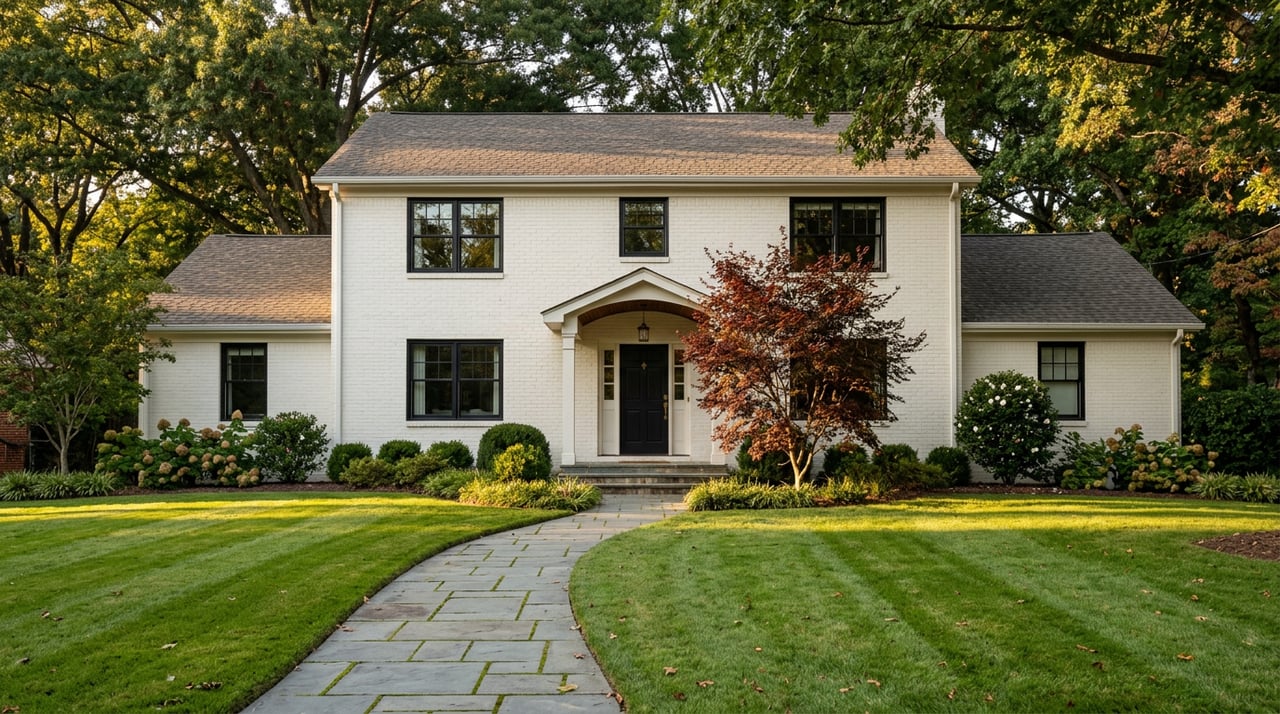
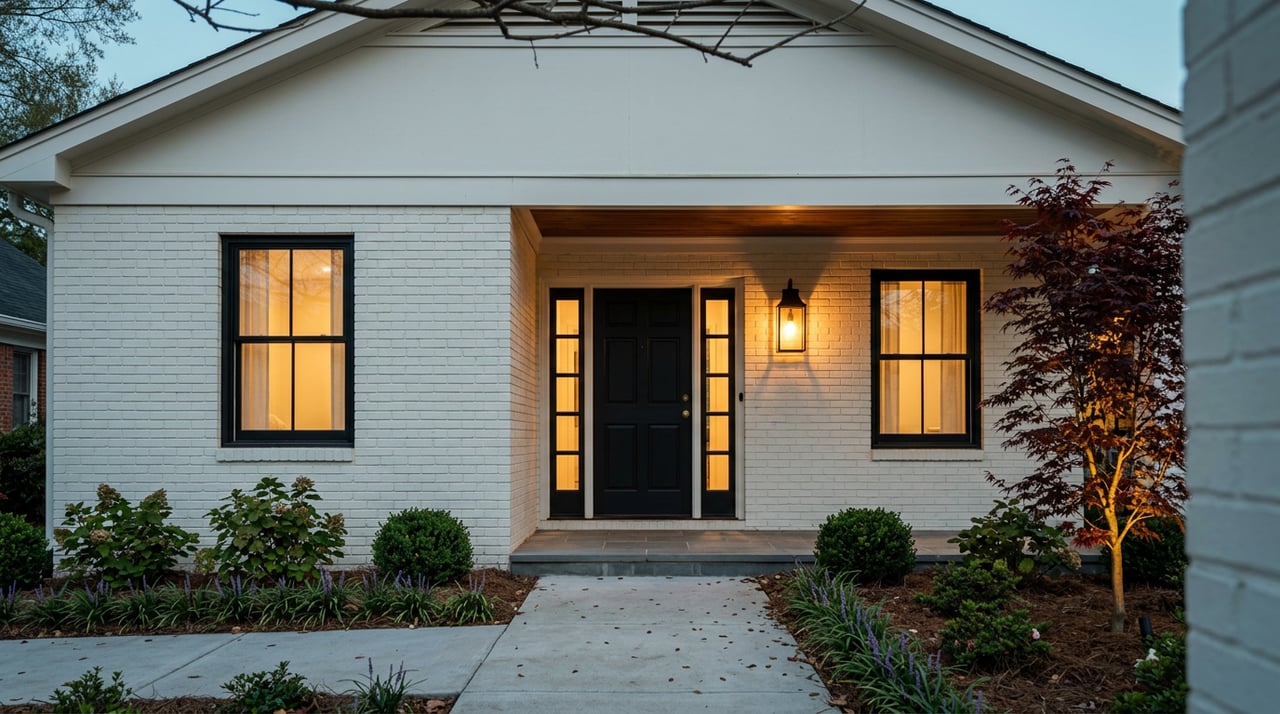
Do you love the idea of a sunlit porch, tree‑lined streets, and the instant charm that comes with original windows and millwork? If so, a historic home in Virginia‑Highland may be calling your name. You also know character homes come with unique questions about inspections, permits, timelines, and budget. In this guide, you’ll learn what to look for, how to plan a renovation, and which local rules and incentives can help you buy with confidence. Let’s dive in.
Why Virginia‑Highland draws historic‑home buyers
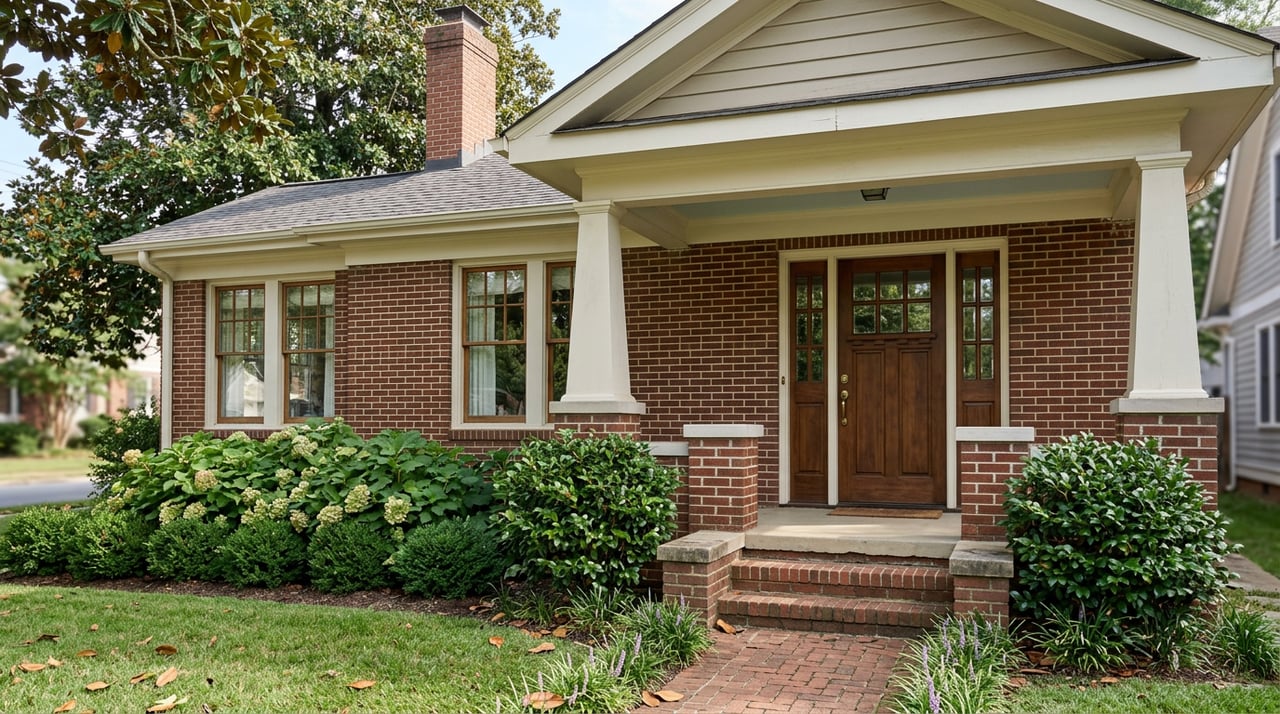
Virginia‑Highland is one of Atlanta’s classic streetcar suburbs, known for Craftsman bungalows, English cottages, and corner‑shop streetscapes that create a village feel. The neighborhood’s development era spans roughly 1899 to 1955 and is listed on the National Register of Historic Places, which speaks to its architectural and community significance. You can explore the area’s retail nodes, events, and civic spirit through the local district site that highlights beloved happenings like Porchfest, Tour of Homes, and Summerfest.
Intown living often trades at a premium, and Va‑Hi is no exception. That premium reflects the walkability, mature canopy, and historic character buyers seek. With the right due diligence, you can enjoy that lifestyle while protecting your investment.
Smart due diligence for historic homes
Build your inspection plan
A thorough inspection strategy protects you upfront and sets clear expectations for your first years of ownership.
- Full home inspection. Start with an accredited home inspector. Expect fees in the low to mid hundreds, depending on size and add‑ons. See typical pricing ranges on Fixr’s inspection cost guide.
- Sewer camera scope. Older laterals can be clay or cast iron and may have root intrusion. A quick scope during the contingency can save thousands later. Learn why a scope matters from USA Borescopes.
- Termite inspection. Termites are a year‑round concern in metro Atlanta. Budget for treatment or a protection plan if there is no recent history, and read the University of Georgia Extension’s metro guidance on termite risk and monitoring.
- Lead and asbestos testing. Many pre‑1978 homes contain lead paint and may contain asbestos in insulation, siding, flooring, or roofing. If you plan to renovate, hire properly certified pros and follow EPA RRP rules explained in the EPA’s lead‑safe work guide.
- Roof and chimney review. A roofing specialist can confirm remaining life, flashing integrity, and any historic material issues. Aging roofs can affect insurability, so address this early. See typical inspection scope and pricing on Fixr.
Age‑related systems to check
- Electrical. Older panels, fuses, knob‑and‑tube, or early aluminum wiring can raise safety and insurance questions. Expect a licensed electrician to recommend upgrades to meet modern loads and code.
- Plumbing. Galvanized steel supply lines and older cast‑iron drains can be brittle or corroded. If you are refreshing kitchens or baths, plan for partial or full repiping and new drains where needed.
- Foundations and soils. Atlanta’s red clay soils can expand and contract, leading to movement. Sticking doors, cracks, or sloped floors warrant a structural engineer review. The state’s soils overview provides context for local conditions.
- Moisture management. Good grading, gutters, downspouts, and site drainage help you prevent rot, termites, and mold. Ask your inspector to prioritize moisture pathways and ventilation strategies.
Note: If your general inspection flags specialized issues, bring in a structural engineer, licensed electrician, or HVAC pro to price and confirm scope before your contingency ends.
Permits and historic review in Atlanta
Know what applies to your property
National Register recognition is honorary. It does not add local permitting limits by itself. In Atlanta, local historic overlays control what you can do to a property’s exterior. Portions of Virginia‑Highland, such as Atkins Park, have local protections that may require a Certificate of Appropriateness, or COA, for visible changes. The safest approach is to confirm your address and project scope with the City’s Historic Preservation Studio before you start design work. You can find contacts, maps, and process steps on the City’s Historic Preservation page.
Timelines and sequencing
- Administrative COA reviews often take weeks.
- Projects that require a public hearing before the Urban Design Commission can add weeks to months.
- Submitting complete applications reduces delays. Start historic and building permit reviews before any exterior work.
If you plan to renovate before move‑in, build this time into your closing and construction schedule.
Renovation costs and realistic timelines
Budget ranges and contingencies
Older homes vary widely, but national remodeling resources offer helpful order‑of‑magnitude guidance:
- Cosmetic updates and paint: low thousands, usually weeks.
- Midrange kitchen or bath remodels: tens of thousands, often 6 to 12 weeks.
- Whole‑house renovations or additions: hundreds of thousands, often several months to a year or more.
Because older houses can hide surprises once walls are open, many buyers keep a 15 to 25 percent contingency in their budget. Explore typical ranges with this remodel cost calculator.
A sample project path
- Planning and design: 3 to 8 weeks to define scope, select finishes, and gather bids.
- Historic review and permits: add several weeks for administrative reviews, longer if a hearing is required.
- Construction example: a midrange kitchen refresh commonly takes 6 to 12 weeks. A whole‑house renovation can require multiple months and phased living arrangements.
Tip: Align your contractor’s critical path with permit timing so you are not waiting on one to start the other.
Hiring the right team
Sequence testing and permits before demolition. If your home was built before 1978, require contractors who follow the EPA’s lead‑safe work practices and provide documentation. Hire licensed trades with historic‑home experience, insist on written scopes with milestones and change‑order rules, and ask for references from similar projects.
Financial tools, incentives, and insurance
Georgia historic rehab incentives
If you plan a certified rehabilitation, Georgia offers a state income tax credit for work on qualifying historic properties. For owner‑occupied homes, the program generally provides up to 25 percent of qualified rehabilitation expenses, with residential caps that can change over time. Projects must be certified by the State Historic Preservation Office and must meet the State standards. Start the conversation and preliminary certification before any work begins. Read the program overview and confirm current rules in the Georgia Historic Preservation Division guide.
Note: Federal historic tax credits mainly apply to income‑producing properties, such as commercial or rental buildings, rather than owner‑occupied primary residences.
Insurance for older homes
Insurers often look closely at roof age, electrical panels, and evidence of obsolete wiring in older homes. Some carriers may require a 4‑point inspection or specific upgrades before issuing a standard replacement‑cost policy. Others may offer an HO‑8 policy that pays actual cash value for certain items. Confirm insurability and any conditions to bind coverage before closing, then plan targeted upgrades that can improve terms. See Georgia‑specific considerations in this home insurance overview.
Long‑term ownership and comfort
Historic homes reward steady care. Plan for regular exterior maintenance like paint, trim, porch repairs, and roof upkeep, plus system updates over time. When improving efficiency, start with low‑impact measures that preserve character: air sealing, attic insulation, weatherstripping, and high‑quality storm windows. For heating and cooling, ductless mini‑splits can be a reversible solution that boosts comfort without extensive alterations.
Your Virginia‑Highland buyer checklist
- Confirm historic status. Determine whether your address lies in a local historic or landmark district and if a COA is required. Start with the City’s Historic Preservation resources.
- Build your inspection stack. Full home inspection, sewer camera scope, termite inspection, and lead or asbestos testing for pre‑1978 homes. Use specialty pros if the general inspection flags issues. See typical inspection costs on Fixr and why a sewer scope matters on USA Borescopes. Read metro termite guidance from UGA Extension.
- Budget with a cushion. Price realistic scopes and add a 15 to 25 percent contingency. Check ranges with this remodel calculator.
- Sequence permits and construction. Begin COA and building permits early and align with contractor timelines to avoid idle weeks.
- Plan for insurance. Discuss coverage options for older homes and any required upgrades with your insurer before closing, then schedule priority updates.
- Think preservation‑friendly upgrades. Start with air sealing, attic insulation, and storm windows to improve comfort while protecting original fabric.
Buying a historic home in Virginia‑Highland is about balancing character with clear‑eyed planning. If you want a partner who can help you anticipate costs, coordinate inspections, and navigate City reviews, let’s talk. Connect with Ellen Cook to schedule a buyer consultation tailored to your goals in Va‑Hi and intown Atlanta.
FAQs
What makes Virginia‑Highland a historic district?
- Virginia‑Highland developed between 1899 and 1955 and is listed on the National Register of Historic Places, which recognizes its concentration of early 20th‑century homes and walkable streetcar‑suburb form.
Do Virginia‑Highland homes need a Certificate of Appropriateness for exterior changes?
- Some subsections, such as Atkins Park, fall under local historic overlays that can require a COA for visible exterior work, so confirm your address and scope with the City’s Historic Preservation team early.
Which inspections are most important for a 1920s bungalow in Virginia‑Highland?
- Prioritize a full home inspection, sewer camera scope, termite inspection, and lead or asbestos testing before renovations, then add specialists like a structural engineer or electrician as needed.
How much should I budget for renovating a historic home in Virginia‑Highland?
- Use order‑of‑magnitude ranges, set a 15 to 25 percent contingency for surprises, and align final numbers with local bids; a midrange kitchen often runs 6 to 12 weeks while whole‑house projects can take many months.
Are there tax credits for renovating a historic home in Georgia?
- Georgia’s state program can provide up to 25 percent of qualified rehabilitation expenses for certified projects, subject to caps and approval, so confirm current rules before work begins in the state guide.
Will insurance cost more for an older home in Virginia‑Highland?
- Older systems and roof age can lead insurers to require a 4‑point inspection or upgrades, and some carriers may offer HO‑8 coverage, so verify insurability and conditions before closing.